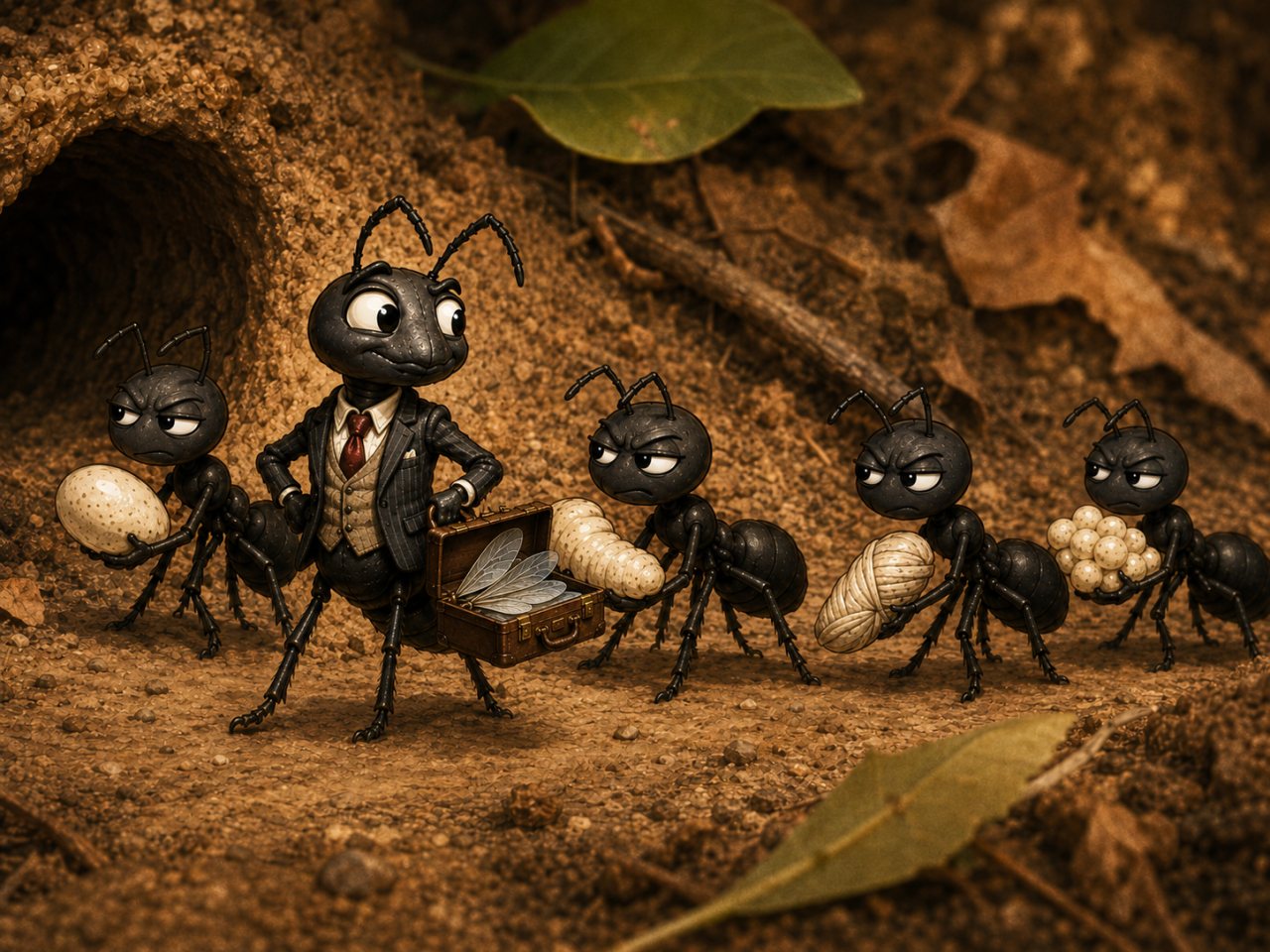
Pack the Baby Parcels, Fred! We’re Moving!
Workers compare new homes, recruit support, and relocate the family without a single moving coordinator. Fred somehow assigned a task. Or not?

Real science. Scandalous headlines. Every claim true.
The morgue
Search every carefully sourced outrage in circulation.
Workers compare new homes, recruit support, and relocate the family without a single moving coordinator. Fred somehow assigned a task. Or not?
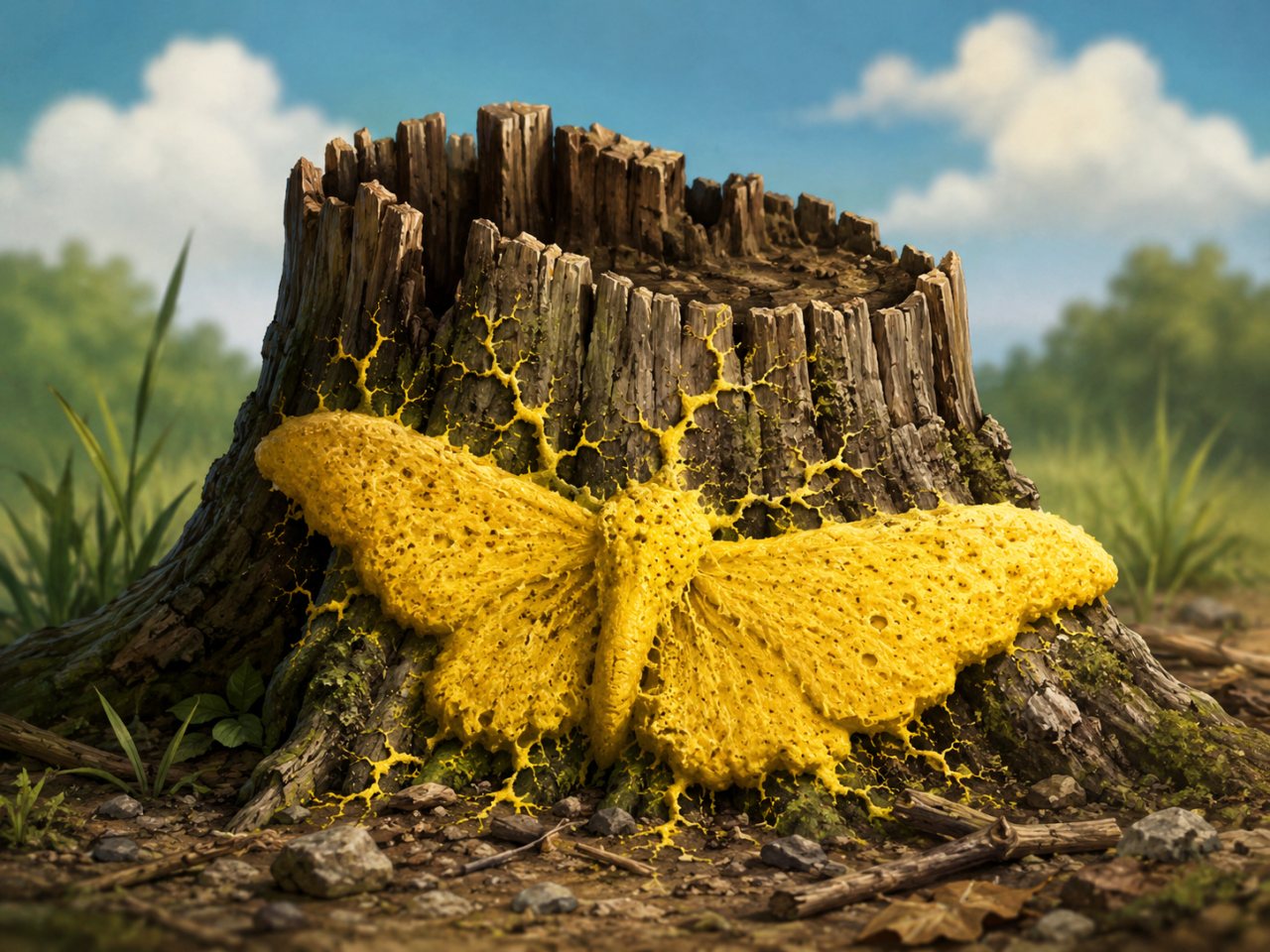
A "giant moth" on a tree turns out to be one giant cellular weirdness. Slime mold wins this week’s award for misleading first impressions.
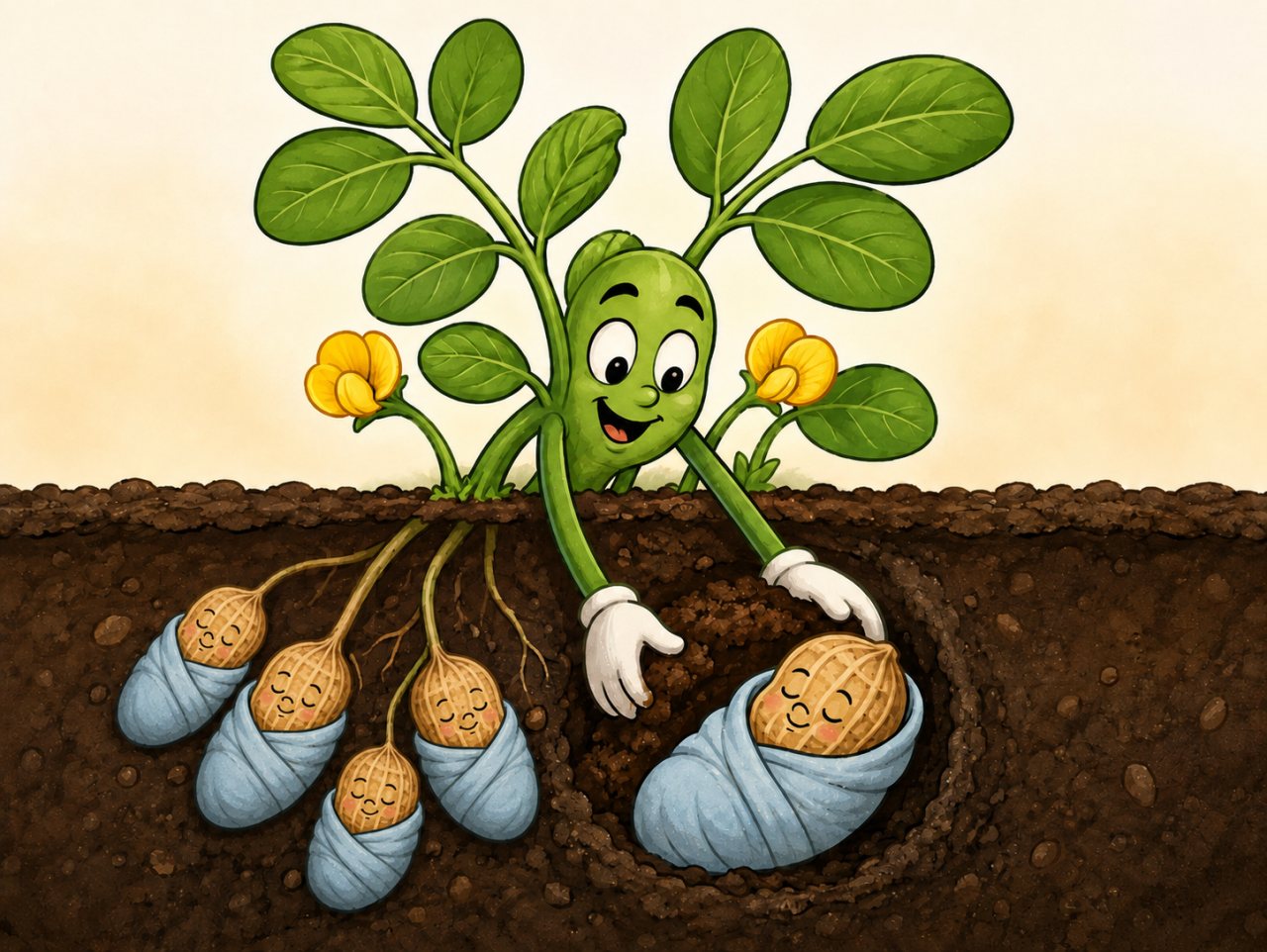
Peanuts are legumes with a reproductive trick few crops can match: they flower above ground, then deliberately bury the fertilized ovary so the fruit can develop underground.
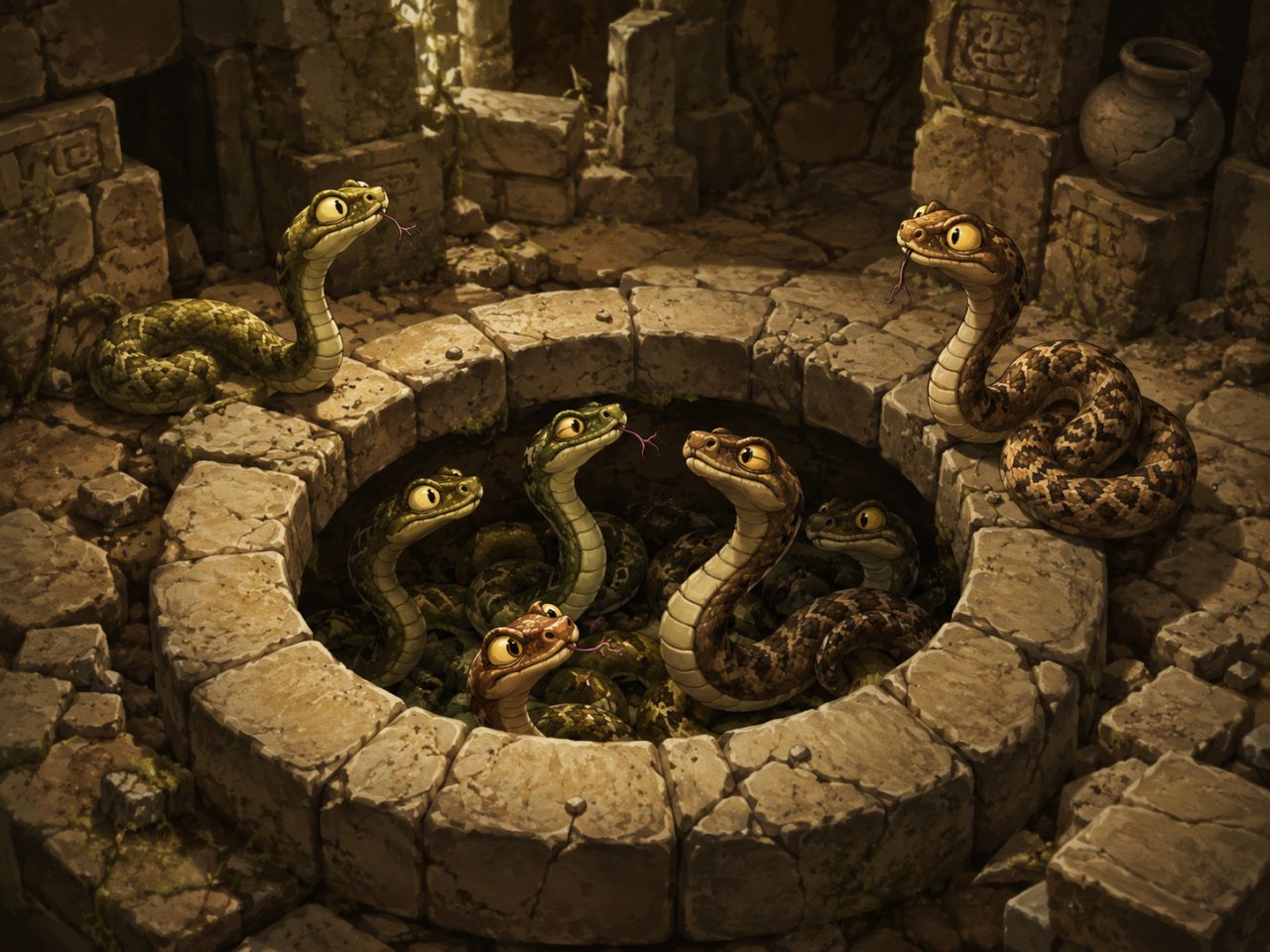
Turns out “pit” refers to the face, not an unfortunate snake-storage arrangement. Raiders of the Lost Ark has declined to comment. Yes, I have a PhD. No, that did not help.
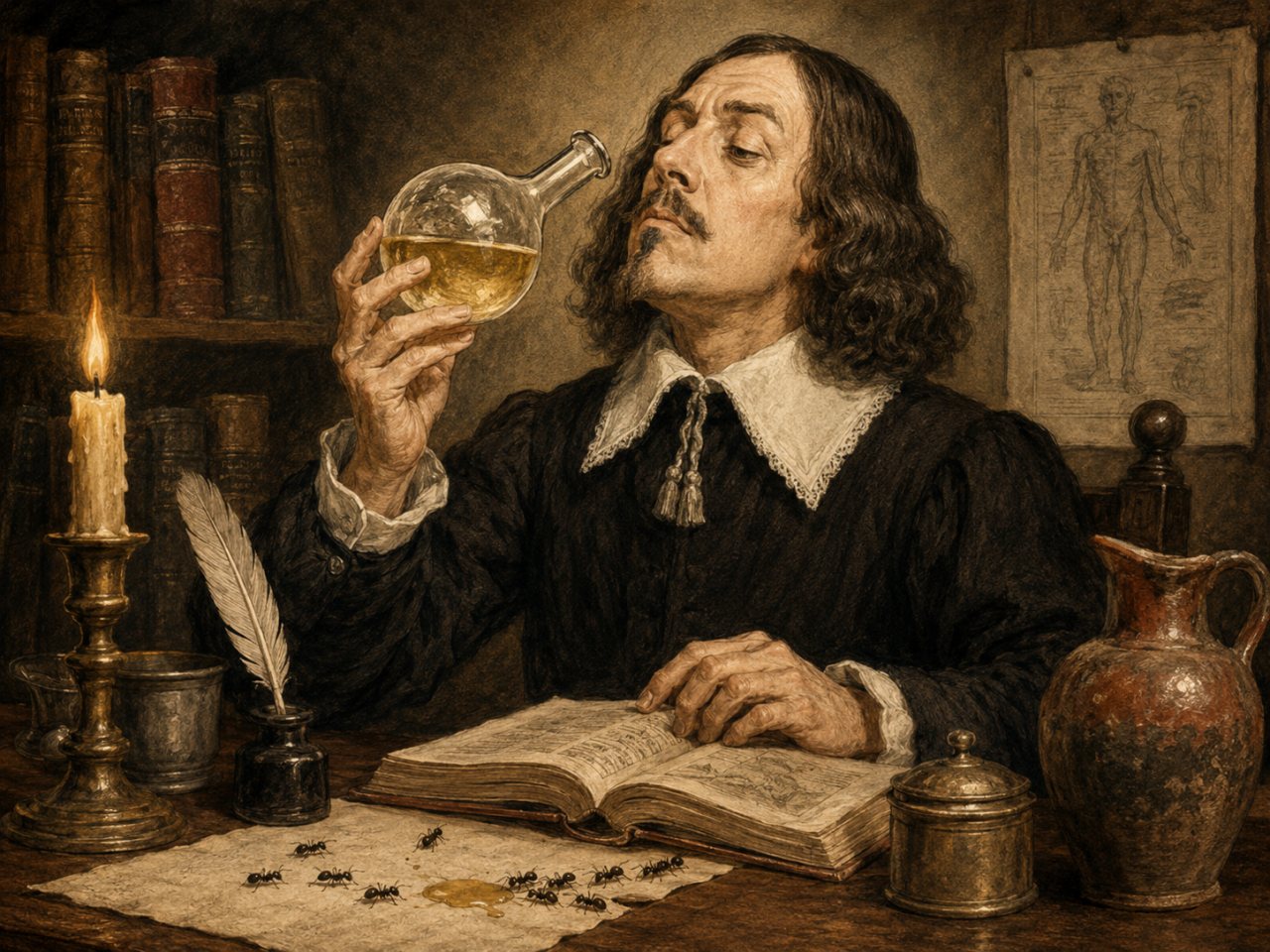
Diabetes diagnosis before modern labs was considerably more hands-on than advertised. Before glucose meters and lab strips, sweetness was diagnostically useful information. And that required taste testing.
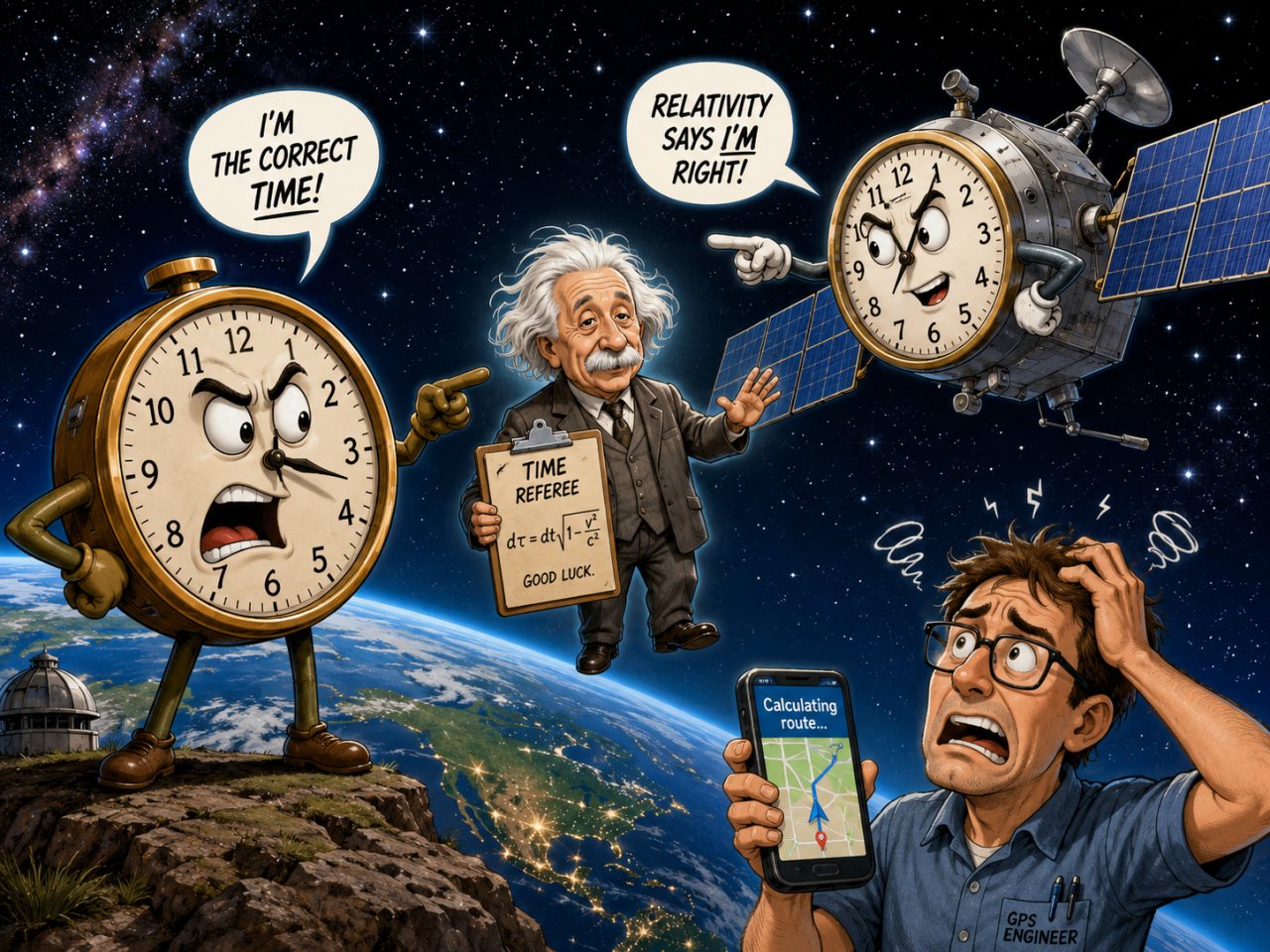
GPS satellites experience two opposing relativistic effects, and navigation depends on correcting both. Speed slows satellite clocks down. Weaker gravity speeds them up. Somehow your phone still finds the gas station.
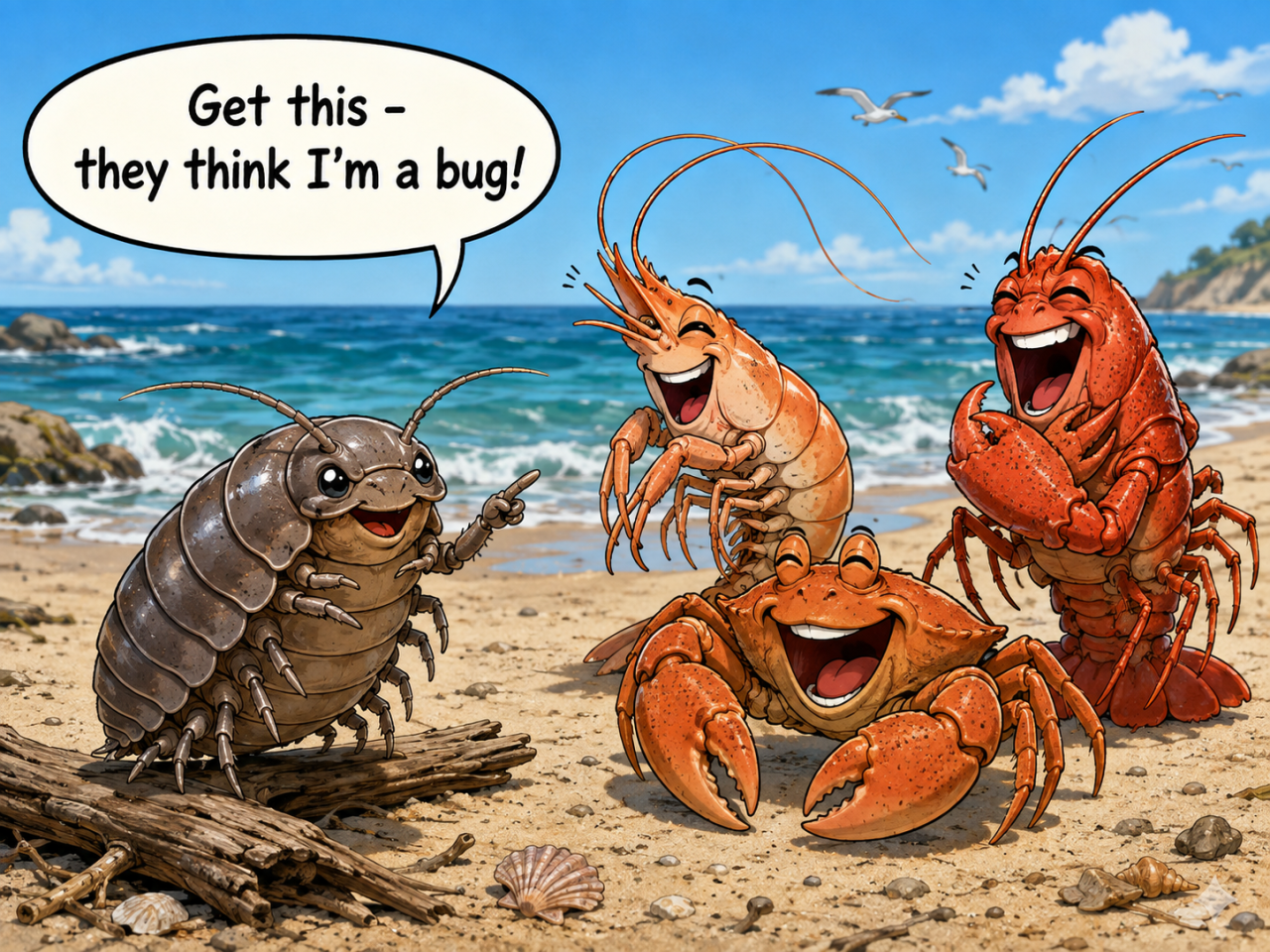
Pill Bug? Woodlouse? Roly-Poly? Pick a Name, It’s Still a Crustacean! The tiny garden resident has nearly as many aliases as it has legs.
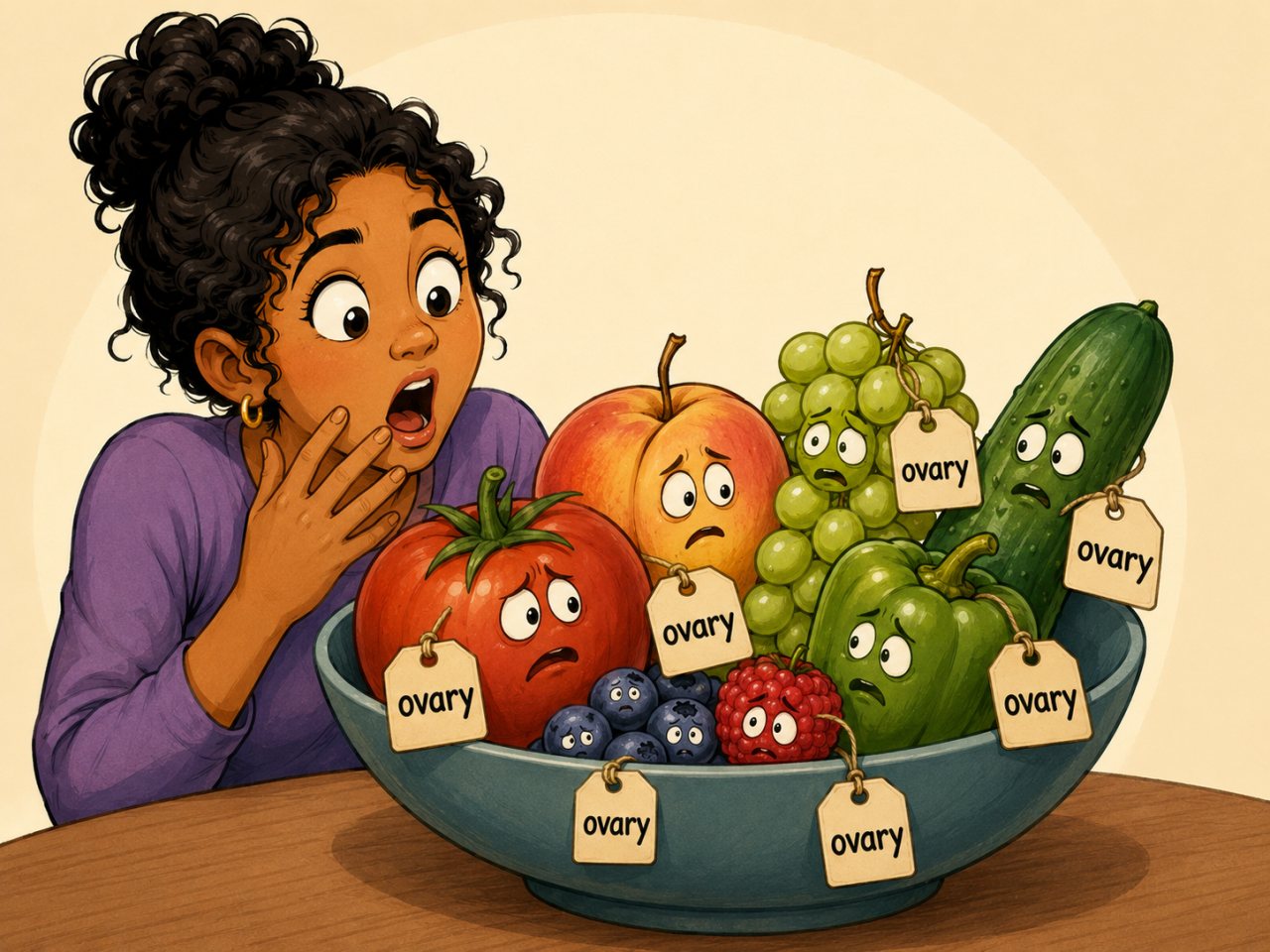
Plants have been packaging mature reproductive structures as snacks for millions of years. Botanists have known. The rest of us were apparently not informed.
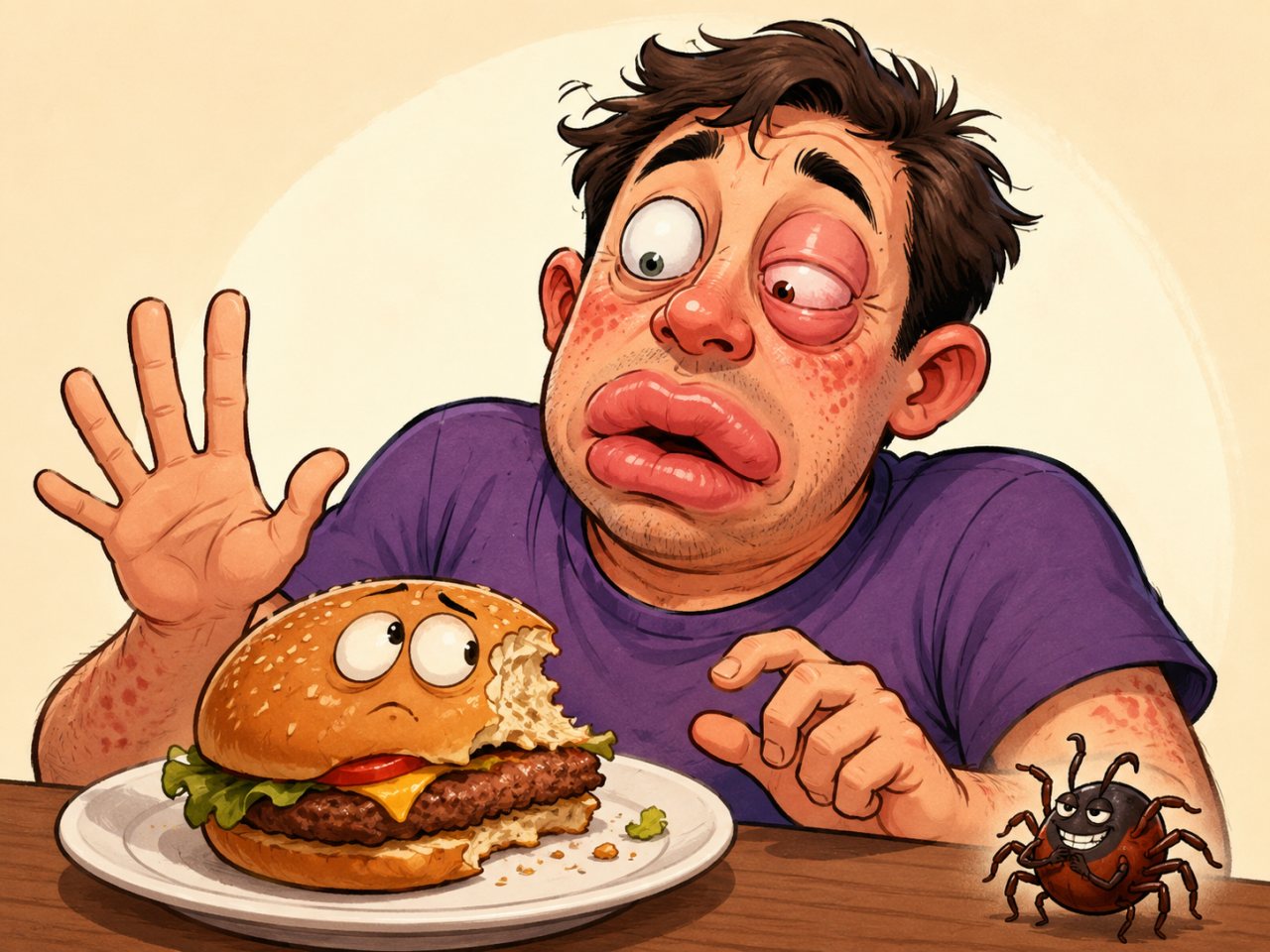
A tick bite can train the immune system to attack a sugar found in mammalian meat, causing hives, stomach distress, or even anaphylaxis hours after dinner.
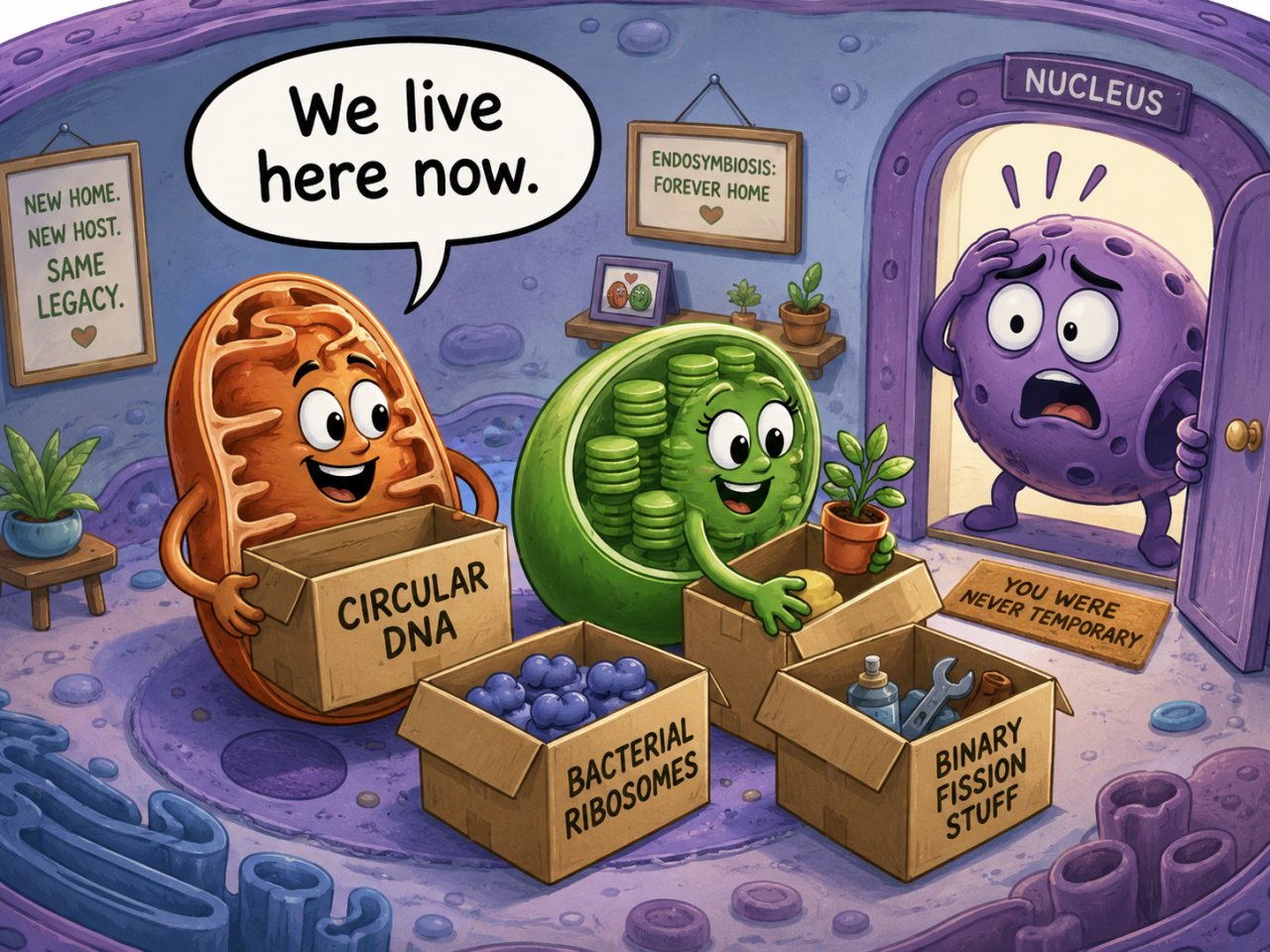
Mitochondria and chloroplasts carry their own DNA because they descend from ancient bacteria that became permanent parts of eukaryotic cells.

One of the founders of modern hygiene became so convinced that cholera required the right combination of microbe, environment, and host conditions that he swallowed the organism himself to demonstrate that the bacterium alone wasn't sufficient.
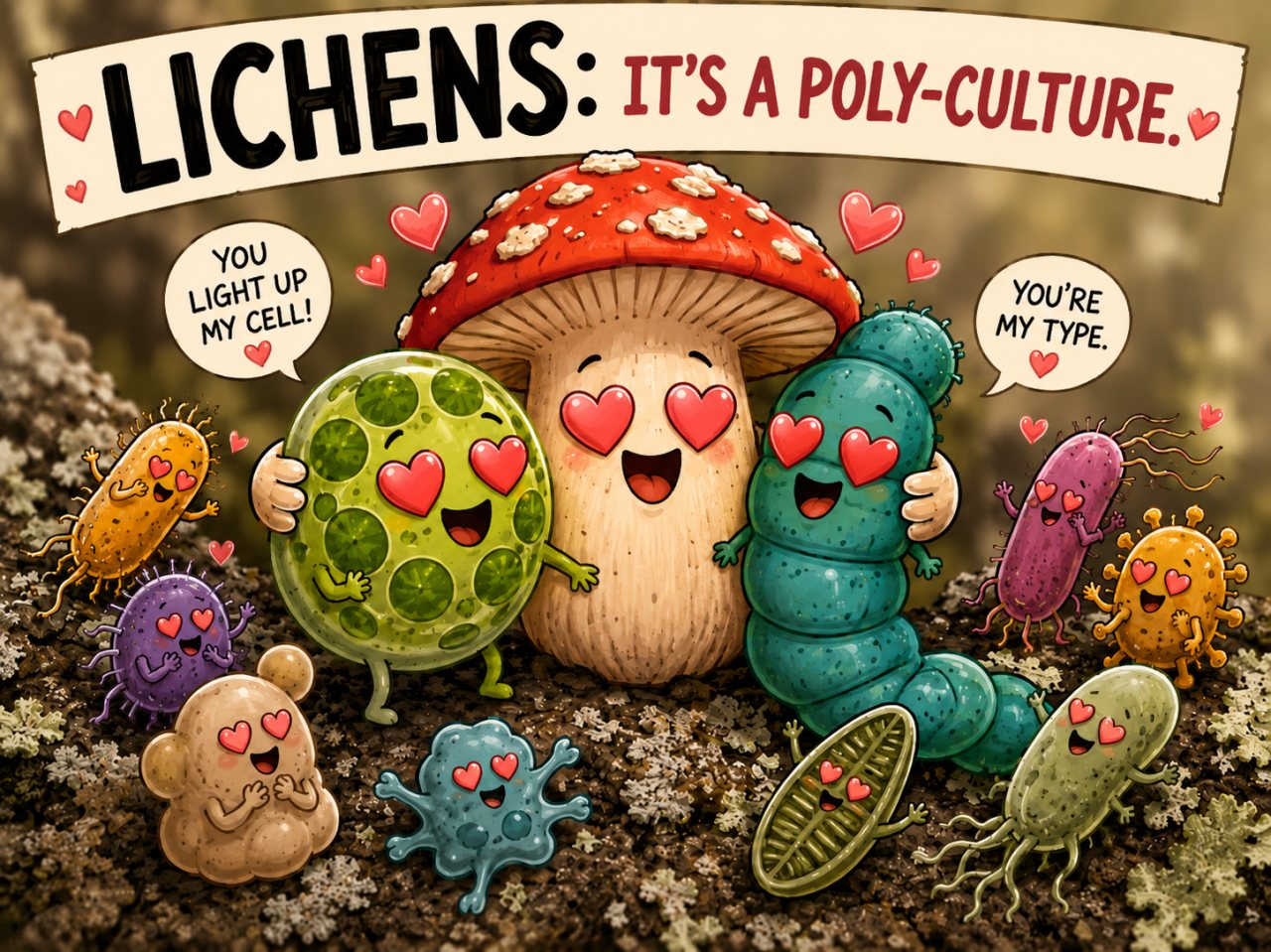
Lichens may look like single organisms, but many are actually miniature communities built around fungi, photosynthetic partners, and additional microbial associates.