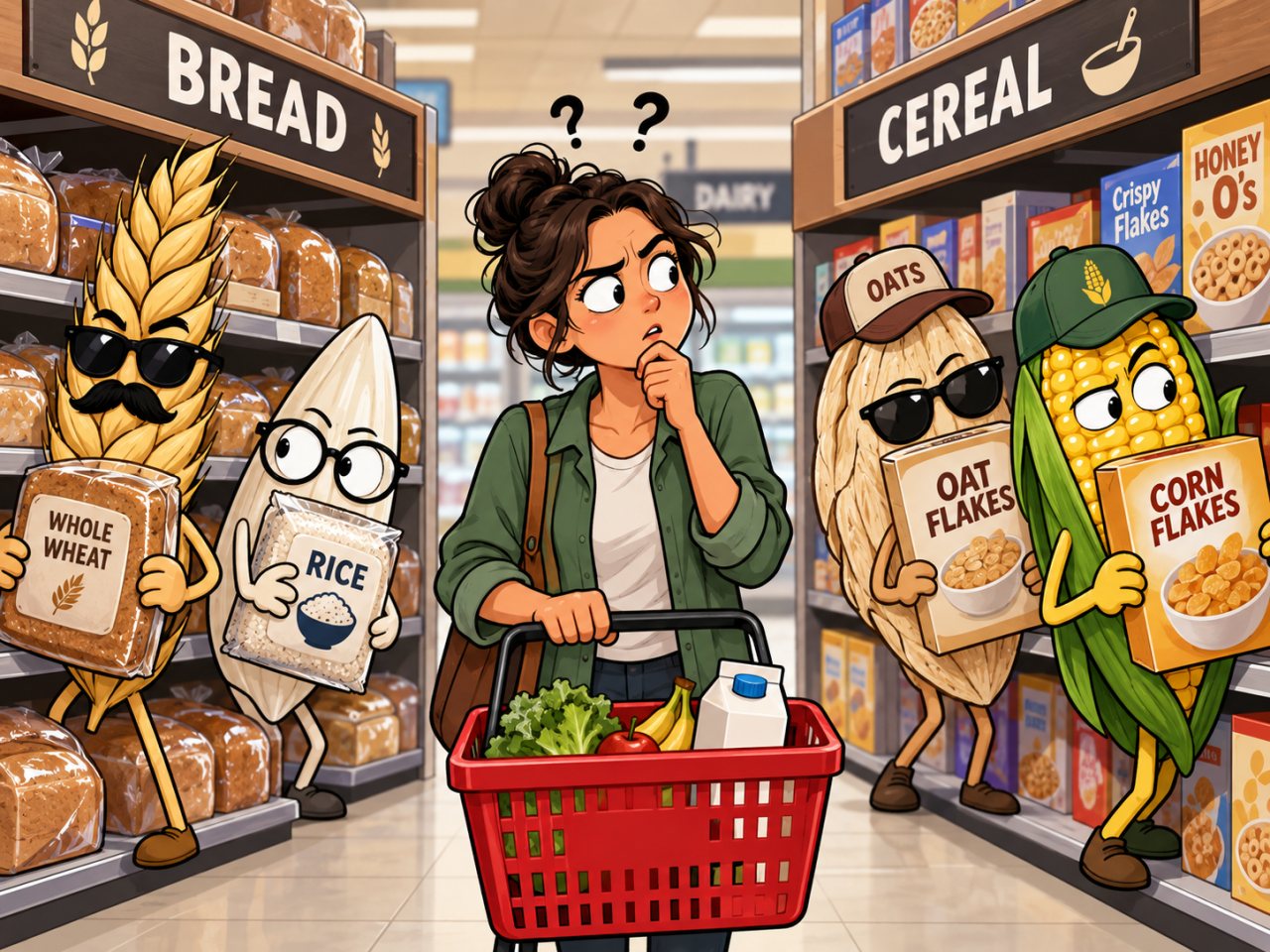
Wheat, rice, corn, and oats have been hiding a fruit wall in plain sight. A cereal grain is not just a seed. It is a fruit fused so tightly to its seed that the two look like one structure.
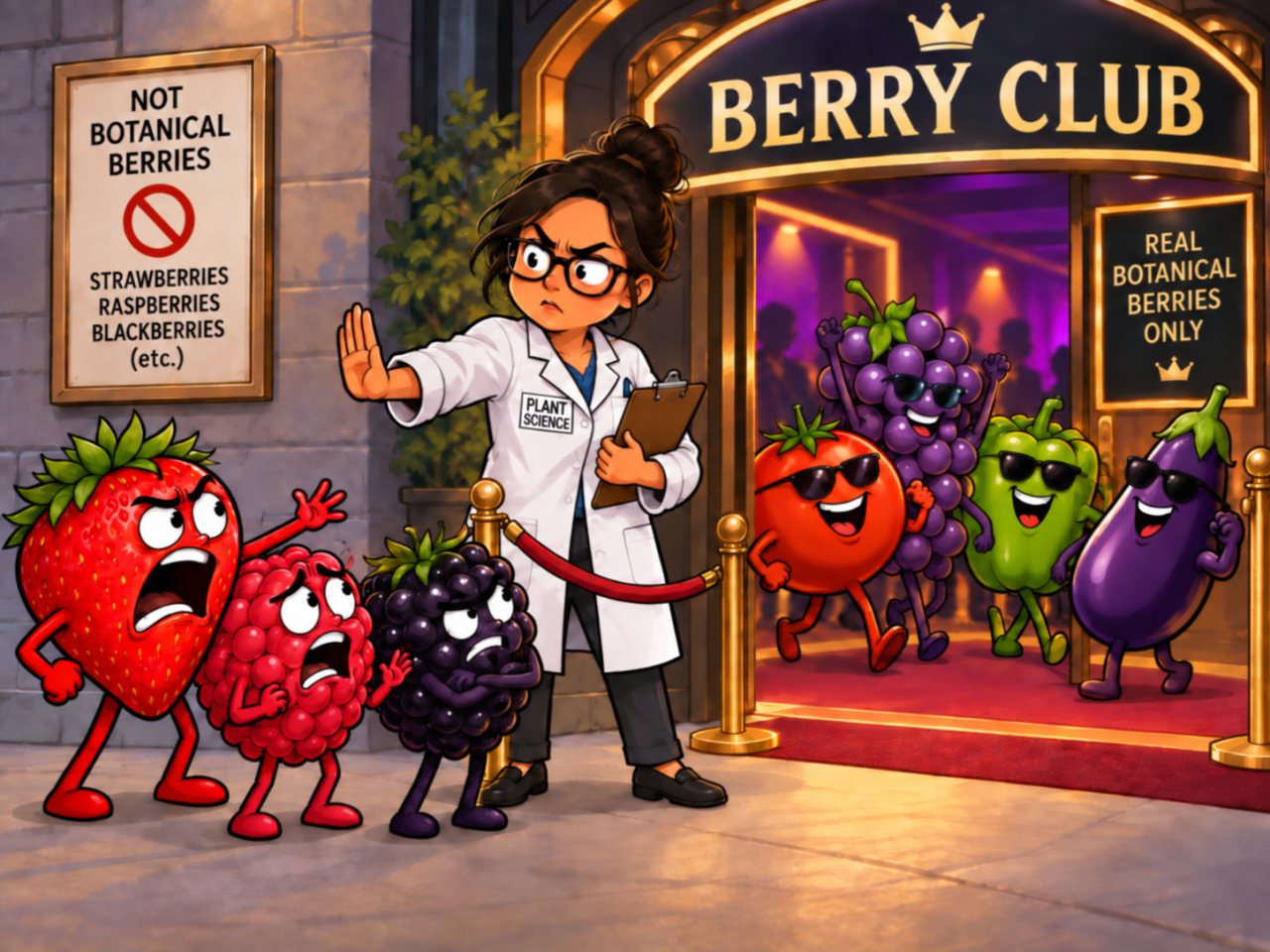
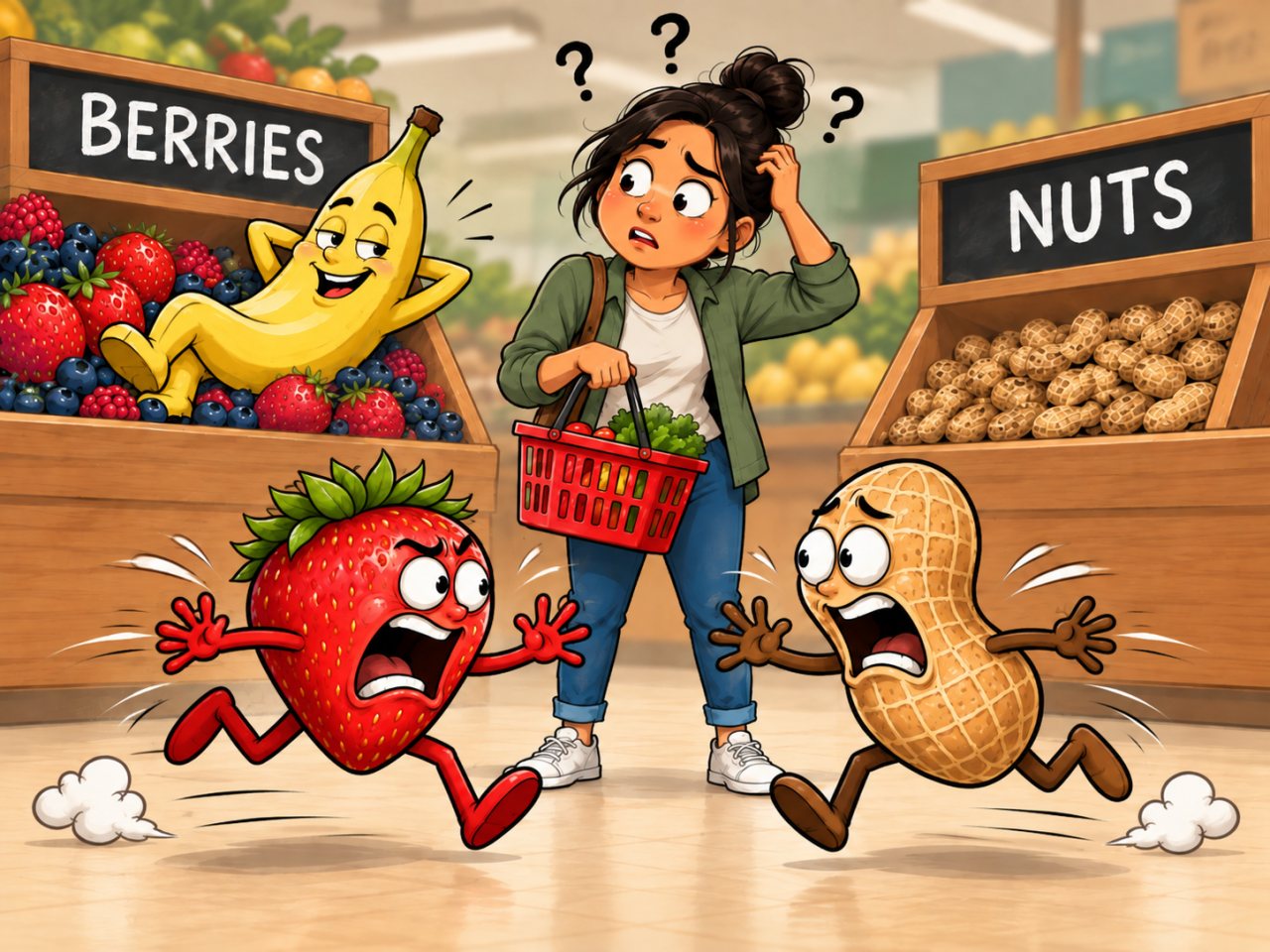
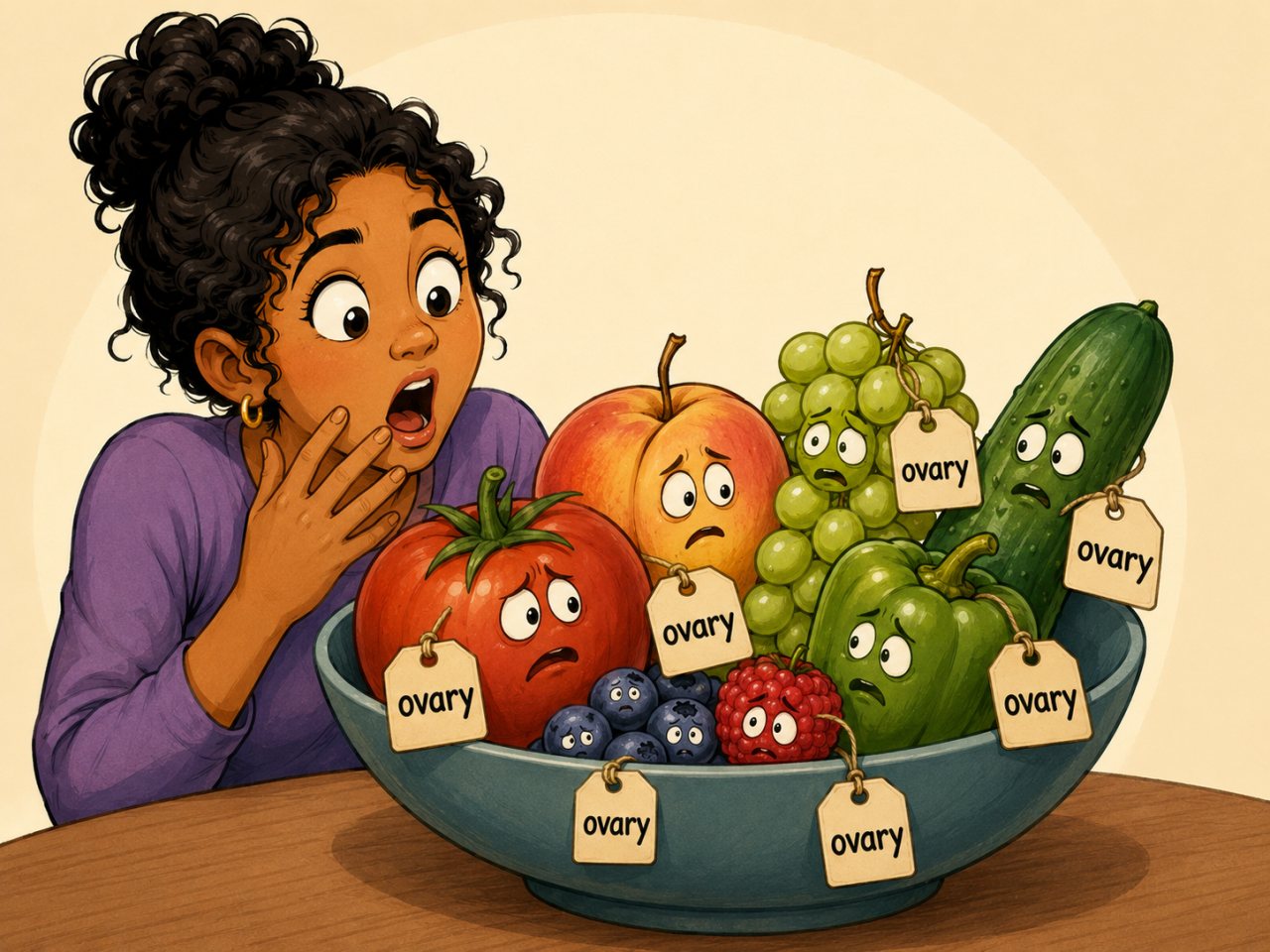
Tomatoes, bananas, grapes, peppers, and eggplants all qualify as botanical berries. Raspberries, blackberries, and strawberries do not. The botanical definition of a berry has almost nothing to do with what most people mean by “berry,” and the resulting produce-aisle chaos is spectacular.
Roots, stems, leaves, flowers, ovaries, seeds, and entire clusters of flowers: the produce aisle is botanically much stranger than its labels suggest. Plant scientists classify what we eat by how plant structures develop, not by where the grocery store shelves them.
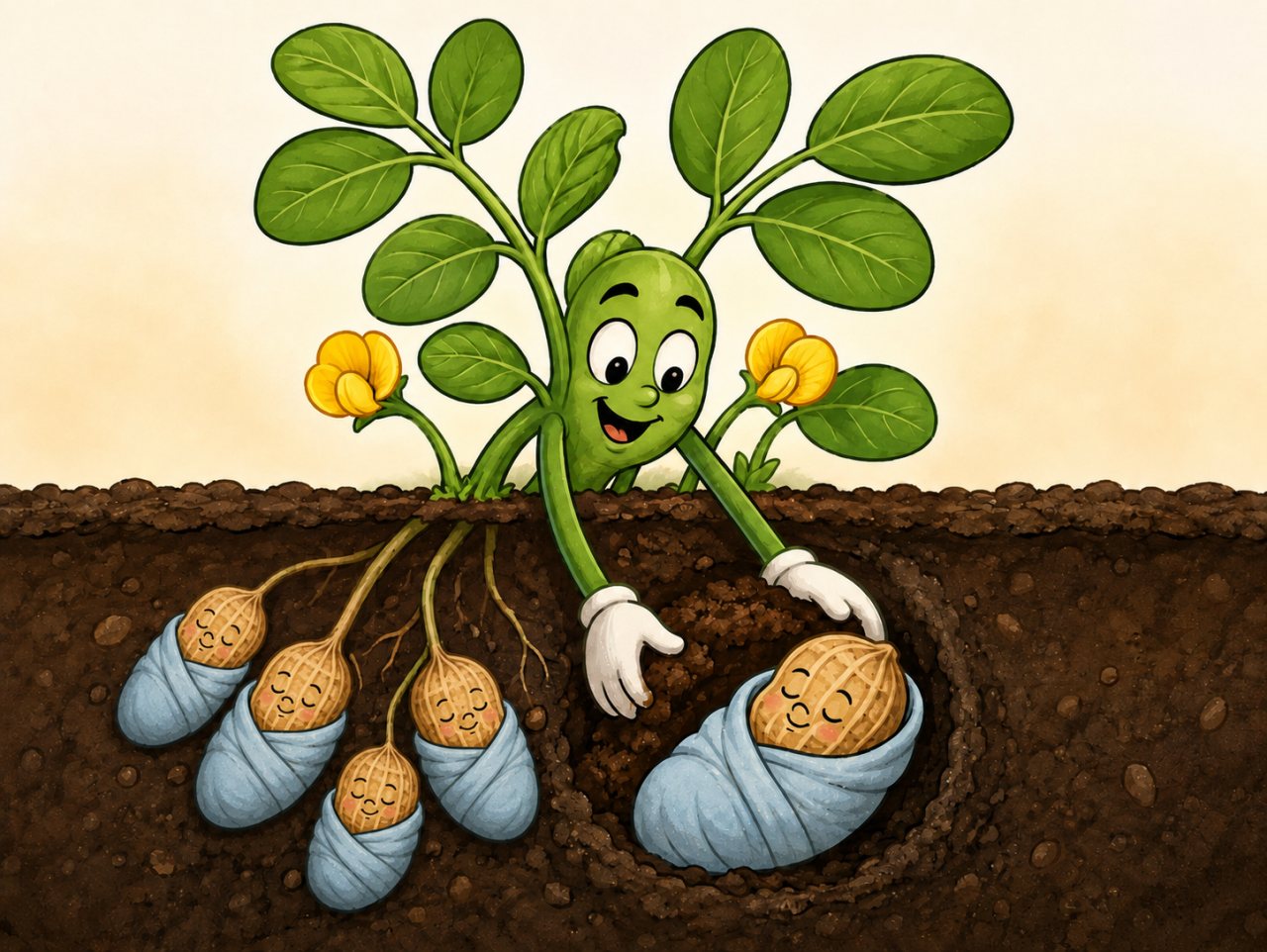
Peanuts are legumes with a reproductive trick few crops can match: they flower above ground, then deliberately bury the fertilized ovary so the fruit can develop underground.
Plants have been packaging mature reproductive structures as snacks for millions of years. Botanists have known. The rest of us were apparently not informed.
Can we count the crowd?
Optional Analytics helps us understand which stories readers enjoy. We do not send names, email addresses, contact-form content, or other directly identifying information to Analytics. Analytics stays off unless you agree. This choice does not control necessary security and anti-abuse tools.