
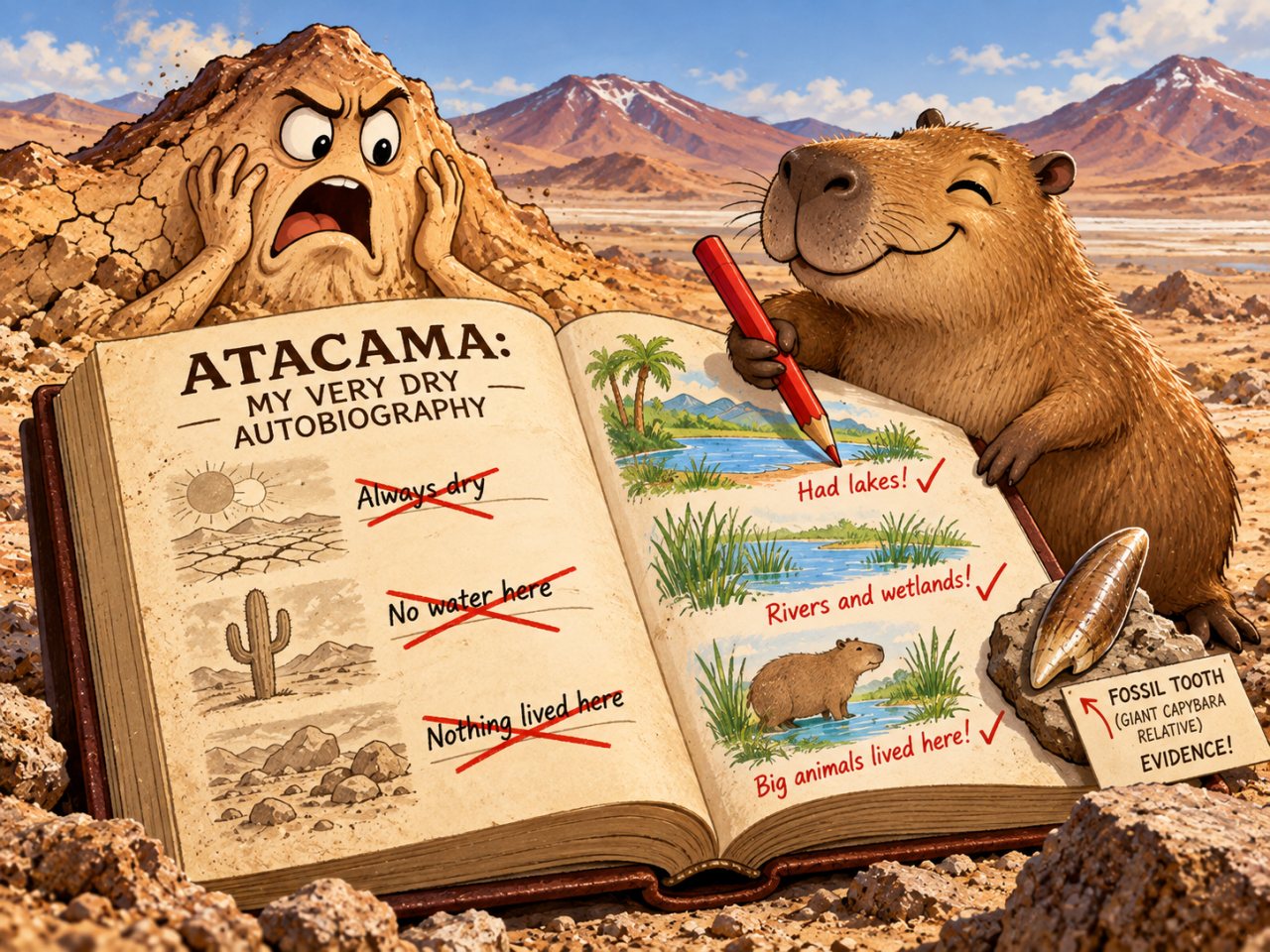
The Atacama Desert in Chile, South America, is the driest non-polar desert in the world. So if you’re planning a hike there, maybe pack a water bottle. Or twelve.
The average annual rainfall is around 15 mm (0.6 in) per year, and there are some weather stations here that have never recorded any rain at all! 😳
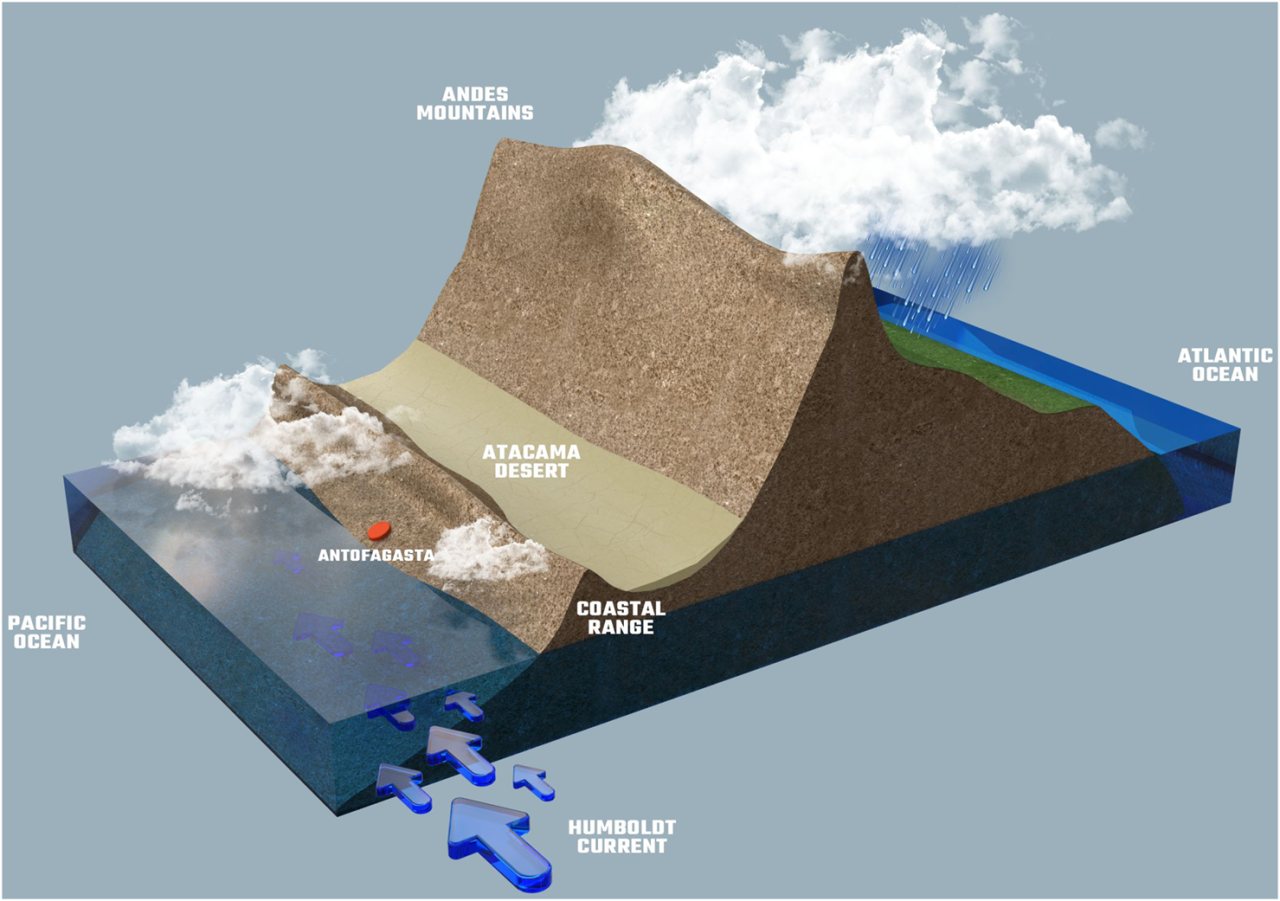
We'll cover this in more detail in The Real Story, but this area essentially sits between two mountain ranges, placing it in a two-sided rain shadow.
That combination makes the Atacama more arid than arid.
It makes it hyperarid.
And scientists have long thought it has been that way for a very long time. Some previous research suggested that hyperarid conditions were established more than 9 million years ago, with one study saying they were already established by about 9.47 million years ago.
In other words, the Atacama had written itself quite a dry autobiography.
Then, in 2026, a rodent relative submitted edits.
And evidence.
Researchers reexamined a fossil tooth from the Atacama and identified it as belonging to Cardiatherium, an extinct relative of modern capybaras. The tooth is estimated to be about 8.8 million years old.
Why is that surprising?
Because hydrochoerines, the group that includes capybaras and their extinct relatives, are strongly associated with water. Modern capybaras are semiaquatic mammals that live around rivers, wetlands, ponds, flooded grasslands, and other habitats with persistent surface water. The genus name Hydrochoerus even translates roughly to “water pig.”
So if a capybara relative was living along the Pacific side of the Atacama around 8.8 million years ago, something about the old climate story needed another look.
And the tooth did not show up alone.
Plant microfossils, carbon isotopes, and other geological evidence also point toward wetter vegetation, persistent freshwater, and riparian habitats in the ancient southern Atacama.
The water pig and its supporting witnesses have now thrown down the gauntlet and challenged the Atacama’s long-standing dry reputation.
The Real Story
The modern Atacama Desert stretches along the Pacific side of northern Chile and southern Peru and contains some of the driest terrain on Earth. Its extreme dryness is not caused by any single factor. Instead, several large-scale geographic and atmospheric systems pile onto one another.
The desert sits beneath the subtropical high-pressure belt, where large-scale sinking air suppresses cloud formation and precipitation. To the east, the Andes form a formidable barrier to moisture arriving from the interior of South America. Along the Pacific coast, the cold Humboldt Current (also known as the Peru-Chile Current) and coastal upwelling cool the lower atmosphere, helping create stable conditions that make substantial rainfall even harder to produce. The Coastal Cordillera adds another obstacle to moisture moving inland. Together, these influences have created the modern hyperarid Atacama.
But exactly when the Atacama became hyperarid has been debated for decades.
In 2018, researchers studying sediments of the Atacama Gravels near Spence in northern Chile used the chemistry and oxygen-isotope signatures of sulfate salts together with volcanic-ash dating to argue that hyperarid conditions were already established before about 9.47 million years ago, and may have begun around 12 million years ago or earlier. Importantly, even that study acknowledged that the desert's climate history was complicated by spatial differences, climate oscillations, and the fact that different proxies can record different aspects of local conditions.
Then a tooth complicated things.
Researchers examining specimen MPC-3000, housed at the Museo Paleontológico de Caldera, identified it as part of the upper third molar of Cardiatherium, an extinct member of the capybara lineage. Its distinctive multilayered molar anatomy allowed the researchers to identify it confidently to the genus Cardiatherium, although not to a particular species.
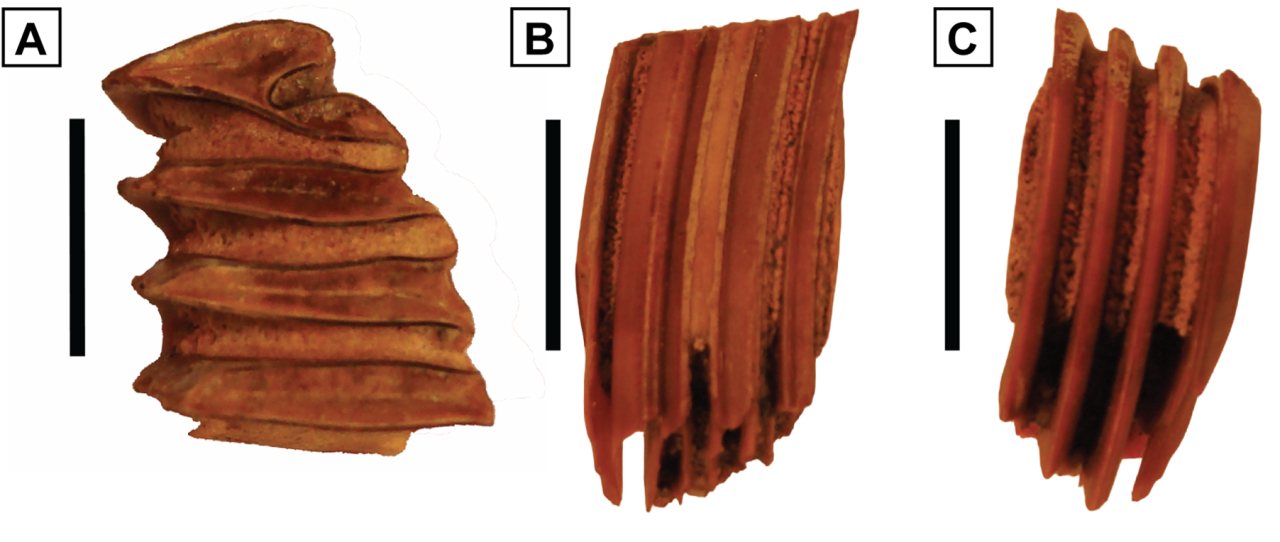
Dating the rock sequence around the fossil placed it between roughly 9.6 and 7.9 million years old, with an average estimated age of about 8.8 million years.
That presents an ecological problem for a simple story of uninterrupted hyperaridity.
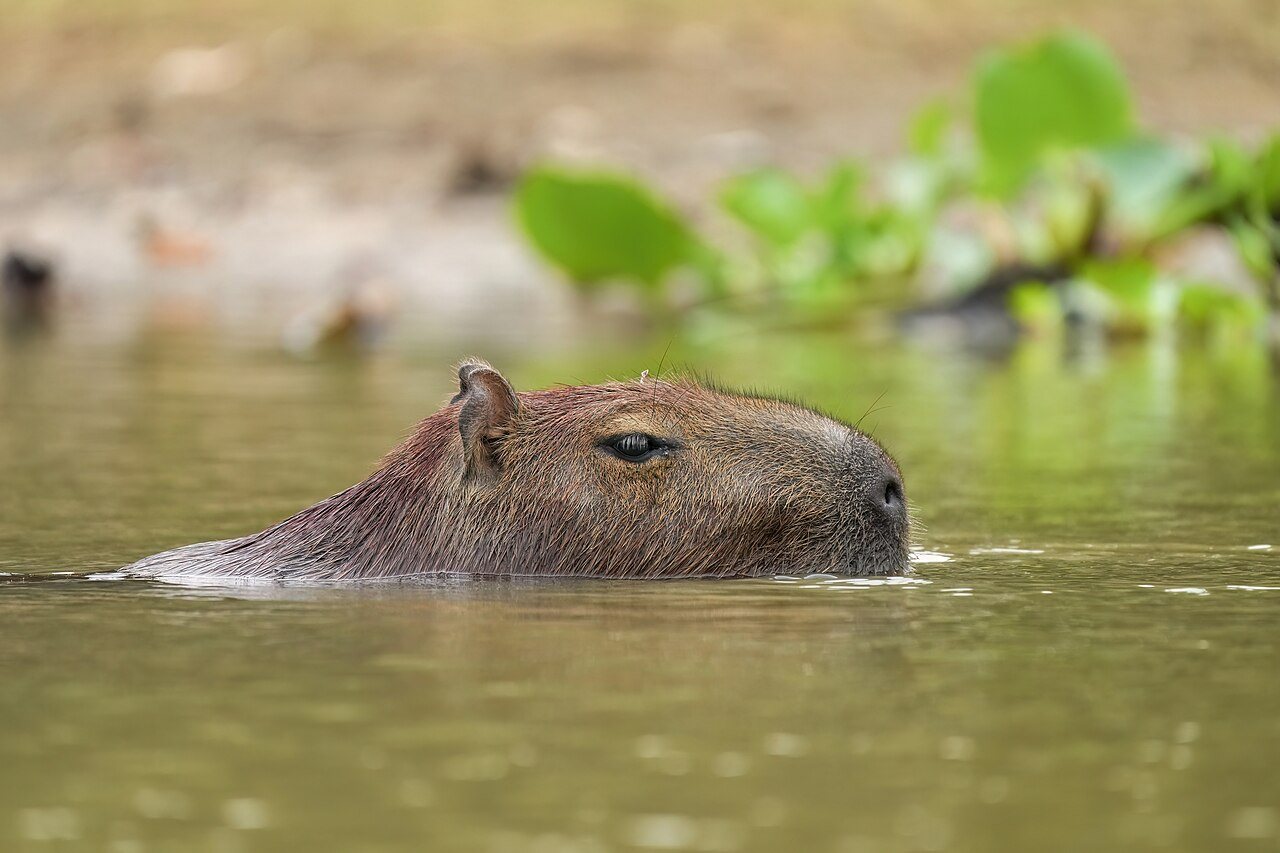
Modern capybaras are semiaquatic rodents closely tied to persistent surface water, including rivers, ponds, marshes, floodplains and other wetland habitats. The fossil Cardiatherium was not a modern capybara, but it belonged to the same hydrochoerine lineage. The researchers therefore argue that finding one on the Pacific side of the Andes implies that suitable freshwater-connected habitat existed there during the late Miocene.
And fortunately, the entire climate reconstruction does not rest on one ancient tooth.
Nearby paleosol carbonates contain carbon-isotope signatures consistent with vegetation dominated by C3 plants, rather than the vegetation expected from the modern hyperarid landscape. Plant microfossils called phytoliths provide another independent clue: about 95% of the diagnostic phytoliths in one productive sample were forest indicators, including abundant palm phytoliths and evidence of gingers and other woody or forest-associated vegetation. The researchers interpreted the assemblage as representing tree- and shrub-dominated vegetation with wetter habitats such as forest margins or wetlands.
Taken together, the fossil, plant evidence and geochemical proxies point toward persistent freshwater and riparian ecosystems in the southern Atacama around 8.8 million years ago. That would have been a very different environment from the hyperarid landscape occupying the region today.
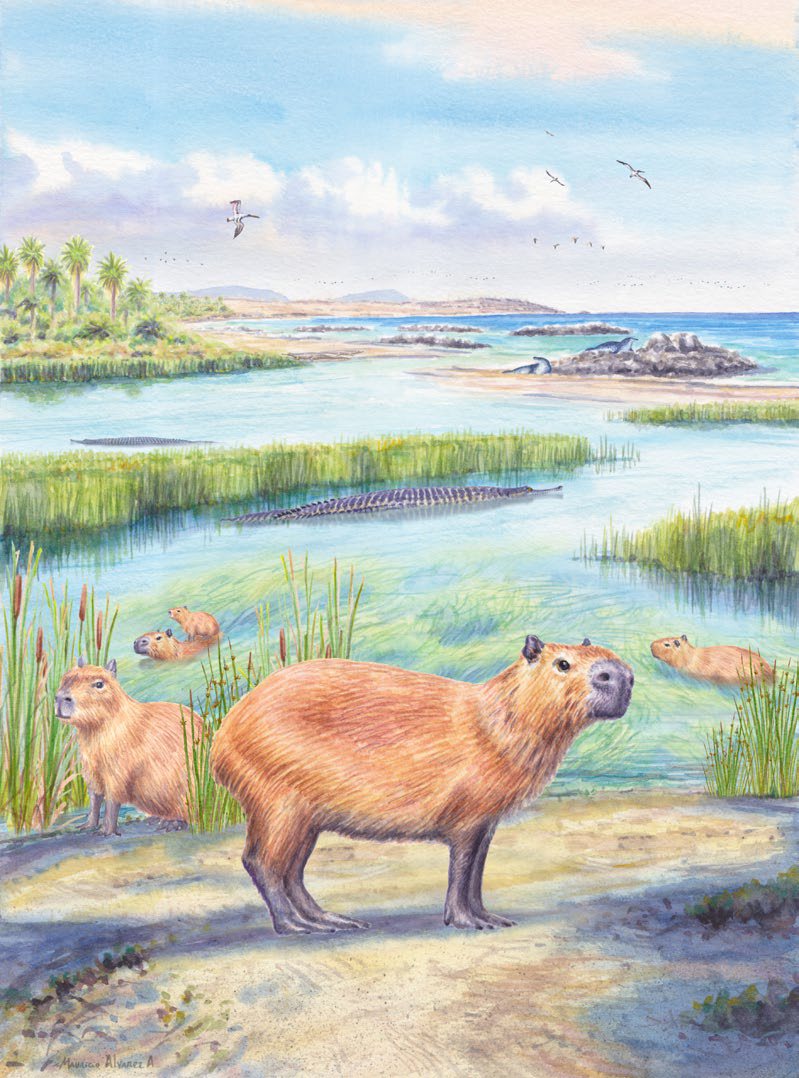
That does not mean the entire Atacama was one enormous lush wetland.
The researchers themselves favor a more cautious interpretation: the fossil may represent a localized riparian or oasis-like environment along the ancient Pacific margin. Climate conditions can vary enormously across a region, especially one extending hundreds of kilometers north to south. Evidence for hyperaridity elsewhere in the Atacama therefore does not necessarily conflict with freshwater habitats surviving in another part of the region at the same time.
The discovery also raises a second mystery: how did capybara relatives get there?
Most known late-Miocene capybaras lived east of the Andes. The authors examine several possible routes into the Pacific drainage, including passage across the Andes and a more northerly connection between Amazonian wetlands and westward-draining river systems. They favor the northern route, but the precise dispersal pathway remains an interpretation rather than a settled fact.
What the tooth does demonstrate is why fossils can serve as more than records of which animals lived where.
An organism brings its ecological requirements with it.
Finding the remains of a large semiaquatic rodent relative in what is now one of Earth's driest landscapes is therefore also finding evidence about water, vegetation, habitat and climate.
The Atacama's autobiography is still very dry.
It just turns out somebody found a wetter chapter.
Sources
-
Late Miocene capybara in the Atacama Desert reveals a wetter climate and a transcontinental dispersal pathway
Gutstein, C. S., Martinez, P. R., Carrapa, B., Clementz, M. T., Cherem, J. J., Cozzuol, M. A., Strömberg, C. A. E., Suárez, M. E., Carreño Chavarría, C., & Le Roux, J. P. (2026). Late Miocene capybara in the Atacama Desert reveals a wetter climate and a transcontinental dispersal pathway. Scientific Reports.
Why this source matters: Primary peer-reviewed study reporting the approximately 8.8-million-year-old Cardiatherium fossil from northern Chile and combining the fossil with geochronology, stable-isotope data and phytolith evidence to reconstruct wetter late-Miocene freshwater and riparian conditions in the southern Atacama. The article is currently an accepted Article in Press and will later be replaced by the final Version of Record.
-
More than ten million years of hyper-aridity recorded in the Atacama Gravels
Sun, T., Bao, H., Reich, M., & Hemming, S. R. (2018). More than ten million years of hyper-aridity recorded in the Atacama Gravels. Geochimica et Cosmochimica Acta, 227, 123–132.
Why this source matters: Provides important historical context for the new finding. Using sediment chemistry, sulfate isotopes and radiometric dating from the Atacama Gravels near Spence, the study concluded that hyperarid conditions were established before approximately 9.47 million years ago and may have begun around 12 million years ago or earlier. It also emphasizes that the timing of Atacama hyperaridity has remained scientifically debated.
-
Andean uplift, ocean cooling and Atacama hyperaridity: A climate modeling perspective
Garreaud, R. D., Molina, A., & Farias, M. (2010). Andean uplift, ocean cooling and Atacama hyperaridity: A climate modeling perspective. Earth and Planetary Science Letters, 292(1–2), 39–50.
Why this source matters: Provides the climate background for why the modern Atacama is so dry and examines the relative influence of subtropical atmospheric circulation, cold southeast-Pacific waters and Andean topography on Atacama hyperaridity.