
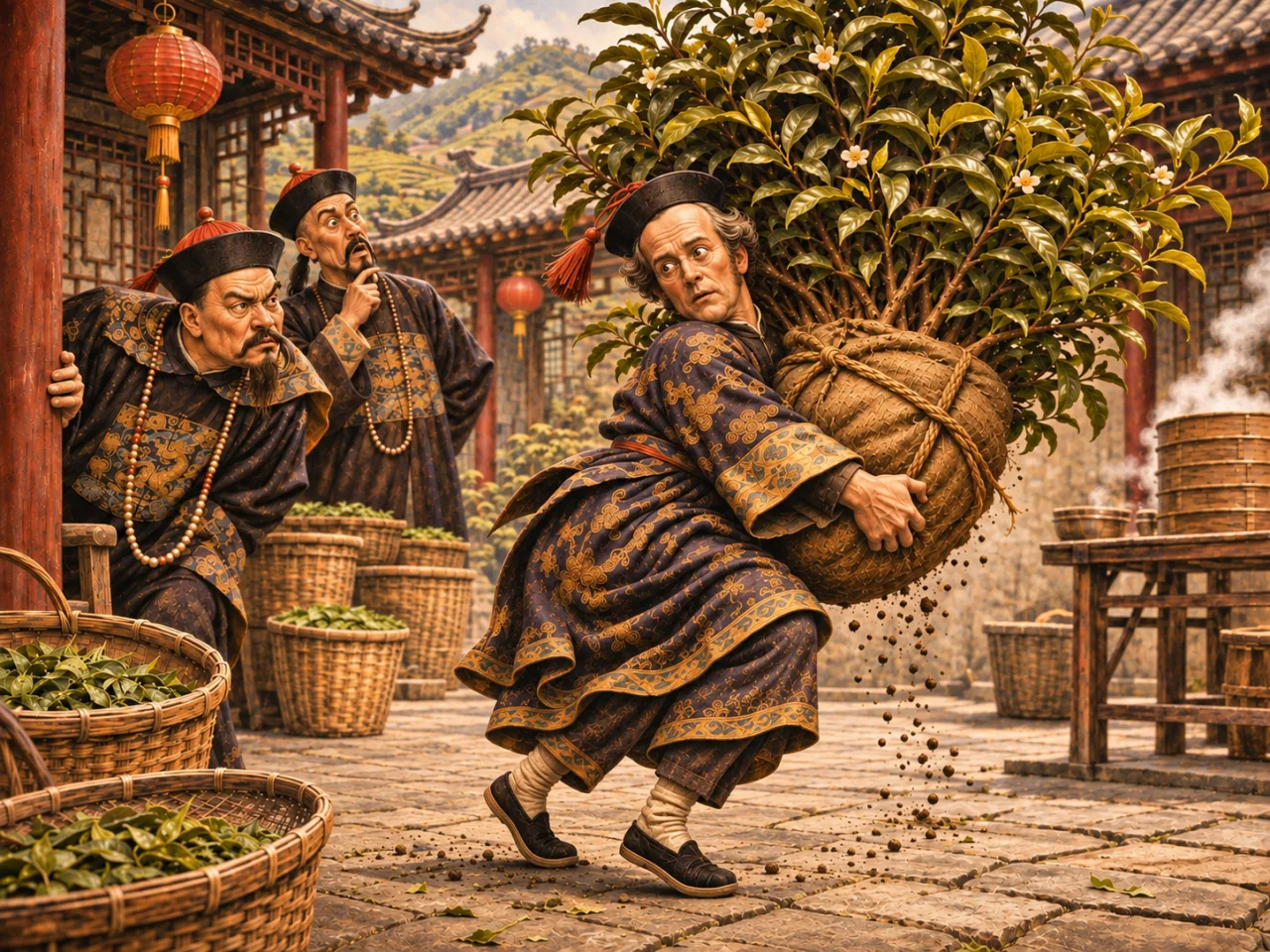
My British husband recently sent me a link to a news story with the tagline, “The British once sent a spy to China to steal secrets about tea.”
His accompanying commentary? “Damn right! 🍵😁”
I couldn't resist the opportunity to reply, “You STOLE tea seeds under the cover of darkness and brought them to India? Trrraitors! 😜😳🤯🤣🤣🤣”
To which my unapologetic husband deadpanned, “Best use of taxpayer money ever spent!”
And then, when I later told him I was going to turn this into a Science Scandal article, his response was, “Yes, the bloody scandal lies in the fact the Chinese didn't just GIVE us the secrets of tea!”
Apparently, in Nigel's view, China could have prevented the entire international incident by simply giving Britain the secrets of tea production.
My AI Nyx's reaction was equally priceless: “Sir. That's not generally how international trade works. 🤣”
I am beginning to suspect that if Britain announced another botanical espionage mission tomorrow, Nigel would volunteer to fund it personally, provided the resulting tea was sufficiently good.
And this whole story about tea-stealing is not only true, but it's the focus of today's scandal.
So grab a cup of tea and enjoy this tale of industrial espionage. But with shrubs. 😂
Milk is optional.
The Real Story
In 1848, the British East India Company sent Scottish botanist Robert Fortune to China on a mission that had rather more to do with commercial espionage than ordinary gardening.
The assignment was straightforward in principle: obtain Chinese tea plants, learn how to cultivate and process them, and transfer that knowledge to British-controlled plantations in India.
Britain had developed an enormous appetite for Chinese tea. But relying on Chinese suppliers meant purchasing a valuable product from a foreign market, often at considerable expense. Establishing a competing tea industry in India offered Britain a way to reduce that dependence and gain greater control over production and profits.
There was just one problem.
China had spent centuries developing the expertise required to cultivate tea and transform its leaves into the finished products British consumers wanted.
And Britain wanted that expertise for itself.
A Botanist Goes Undercover
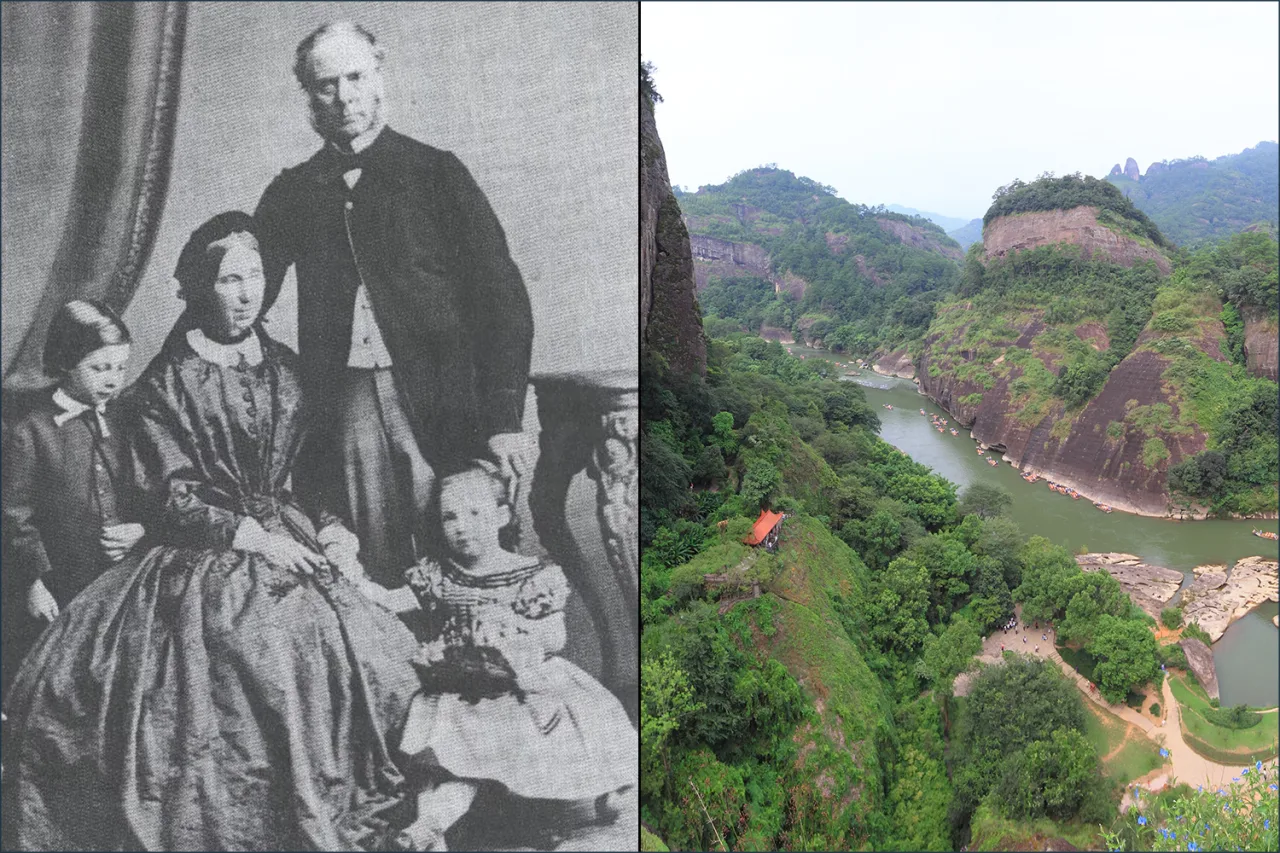
Robert Fortune was no ordinary tourist. He was an experienced plant collector who had already traveled through China during the 1840s, gathering botanical specimens for the Royal Horticultural Society.
His new assignment, however, came from the East India Company.
Fortune traveled into tea-producing districts that were generally closed to foreign visitors under the treaty restrictions of the period. To avoid attracting attention, he adopted Chinese clothing, shaved his head except for a long queue, and traveled with Chinese assistants.
His disguise helped him visit growing regions and processing establishments where he could observe how tea was cultivated, harvested, and manufactured.
But his assignment wasn't simply to examine the plants.
The East India Company wanted living specimens, seeds, equipment, and the practical knowledge required to turn them into a profitable crop.
Fortune collected tea plants from Chinese growing regions, investigated production methods, and arranged for seeds and living specimens to be shipped to India.
However, getting a plant out of China was only the beginning of the botanical challenge.
How Do You Smuggle a Shrub Across an Ocean?
Tea comes from Camellia sinensis, an evergreen flowering plant in the family Theaceae. It thrives under suitable combinations of temperature, rainfall, soil conditions, and drainage, and its cultivated forms can be maintained as manageable shrubs through regular pruning.
Successful tea production requires more than simply putting a seed in the ground. Growers must establish healthy plants, manage their growth, and repeatedly harvest suitable young leaves and buds without exhausting the crop.
Transporting living plants across the ocean presented another problem entirely.
Nineteenth-century voyages could take months. Plants carried aboard ships faced drying winds, salt spray, temperature changes, inconsistent watering, and other conditions that could kill them long before they reached their destination.
Fortune used a remarkable invention called the Wardian case.
Developed by English physician Nathaniel Bagshaw Ward, these enclosed glass-sided containers were essentially miniature greenhouses. Their design reduced water loss and protected plants from the harsh conditions of sea travel.
Inside the case, moisture evaporating from soil and leaves could condense on the glass and return to the growing environment, helping maintain humidity while reducing the need for frequent watering.
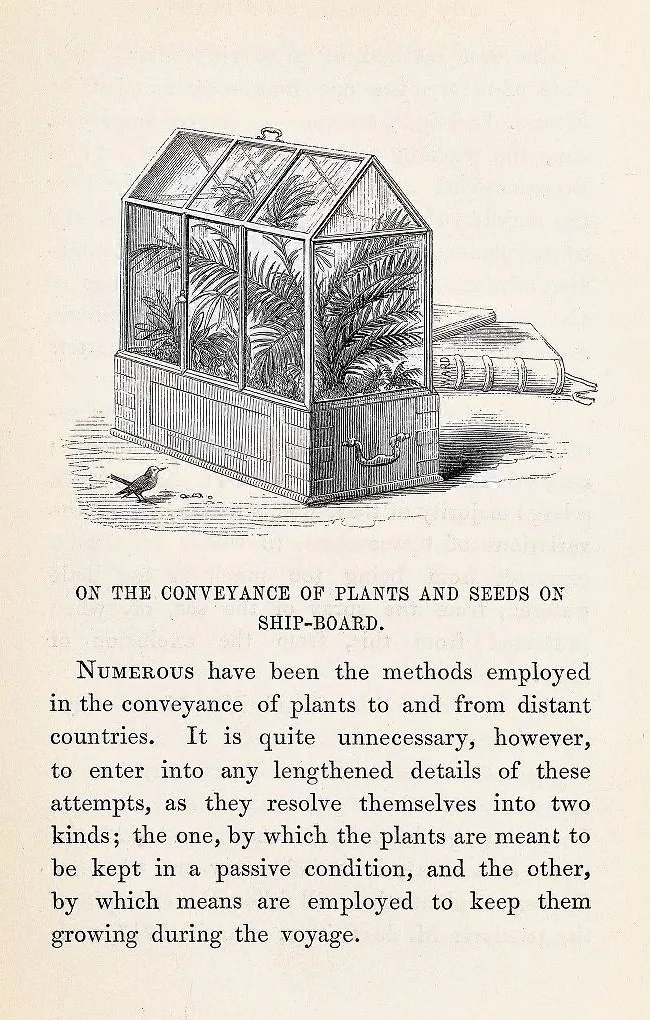
The cases dramatically improved the prospects of transporting living plants over long distances.
Fortune arranged shipments of thousands of tea plants and germinating seeds to India. Accounts commonly describe approximately 20,000 plants involved in the operation, although that figure should not be mistaken for 20,000 specimens successfully established in plantations.
Some plants died, and the eventual success of Indian tea cultivation depended on much more than the survival of Fortune's cargo.
Nevertheless, Wardian cases helped make this kind of long-distance botanical transfer substantially more practical.
The Empire had found a way to ship the shrubbery.
Now it needed to know what to do with it.
The Real Secret Wasn't Just the Plant
One of the most important discoveries associated with Fortune's travels concerned the relationship between green and black tea.
Both can be produced from the leaves of Camellia sinensis.
The difference lies largely in how those leaves are processed.
Freshly harvested tea leaves contain compounds called catechins, along with enzymes capable of modifying them.
When leaves are bruised, rolled, or otherwise damaged, cellular compartments break open, allowing enzymes such as polyphenol oxidase to interact with the catechins.
In the presence of oxygen, these reactions produce new compounds, including theaflavins and thearubigins, that contribute to the darker color and distinctive flavor of black tea.
For green tea, the leaves are heated relatively early in processing, typically by steaming or pan-firing. This inactivates the enzymes responsible for much of the oxidation, helping preserve the leaves' green color and a different chemical profile.
Black tea production, by contrast, allows extensive enzymatic oxidation before the leaves are dried.
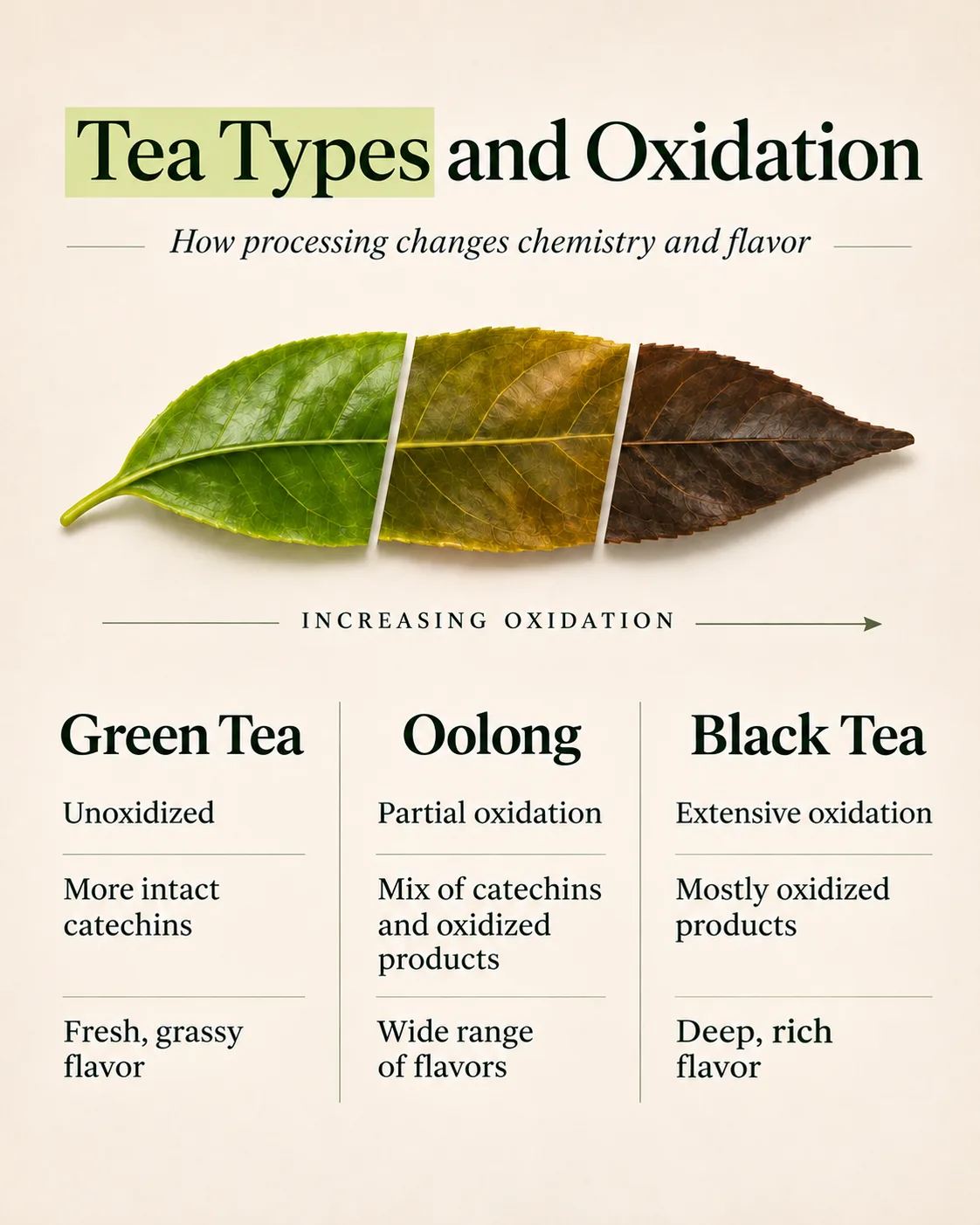
Oolong tea generally falls between these approaches, with partial oxidation producing a wide range of flavors and characteristics.
The process is sometimes called fermentation within the tea industry, but ordinary black-tea production primarily involves enzymatic oxidation rather than the microbial fermentation associated with foods such as yogurt or beer.
So the difference between green and black tea isn't simply a matter of growing two different plants.
It is also a matter of understanding the chemistry of what happens after harvest.
And that processing knowledge was an essential part of what the East India Company hoped to acquire.
The People Behind the Production
Knowing that tea leaves could be processed in different ways was one thing. Reproducing the techniques consistently was another.
Chinese growers and manufacturers had accumulated generations of practical expertise involving plant selection, harvesting, withering, rolling, heating, drying, and other production decisions.
Fortune therefore sought skilled Chinese workers as well as botanical specimens.
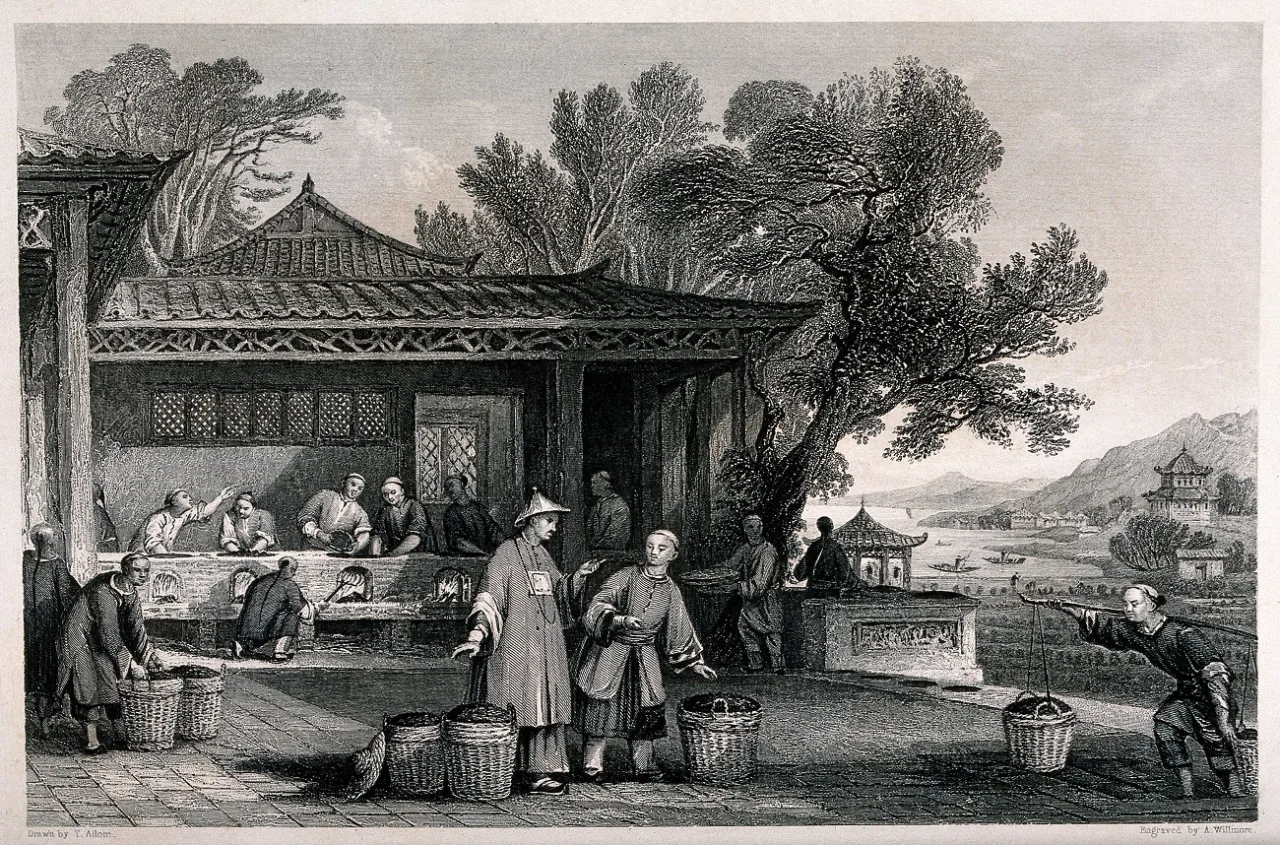
By 1851, he had arranged for eight Chinese tea manufacturers to travel to India, bringing specialized equipment and knowledge that could be applied to tea production there.
Their participation was essential because living plants alone could not establish a successful industry.
But the expedition also operated within a profoundly unequal colonial commercial system. Fortune's own account reflects the assumptions of a British agent working to advance imperial interests, and the circumstances under which Chinese specialists were recruited deserve careful historical scrutiny.
Their expertise was not something Britain invented or discovered. It was knowledge developed in China and transferred to serve a competing industry.
And the plants themselves were only part of a much larger story.
India Already Had Tea
Despite the popular version of events, Robert Fortune did not introduce tea to a country that had never seen a tea plant.
Tea was already growing in northeastern India.
Indigenous communities, including the Singhpho people of Assam, had long known and used local tea plants. British colonial officials learned about this established botanical resource during the early nineteenth century.
The Assam tea plant, commonly classified as Camellia sinensis var. assamica, became an important foundation of India's commercial tea industry.
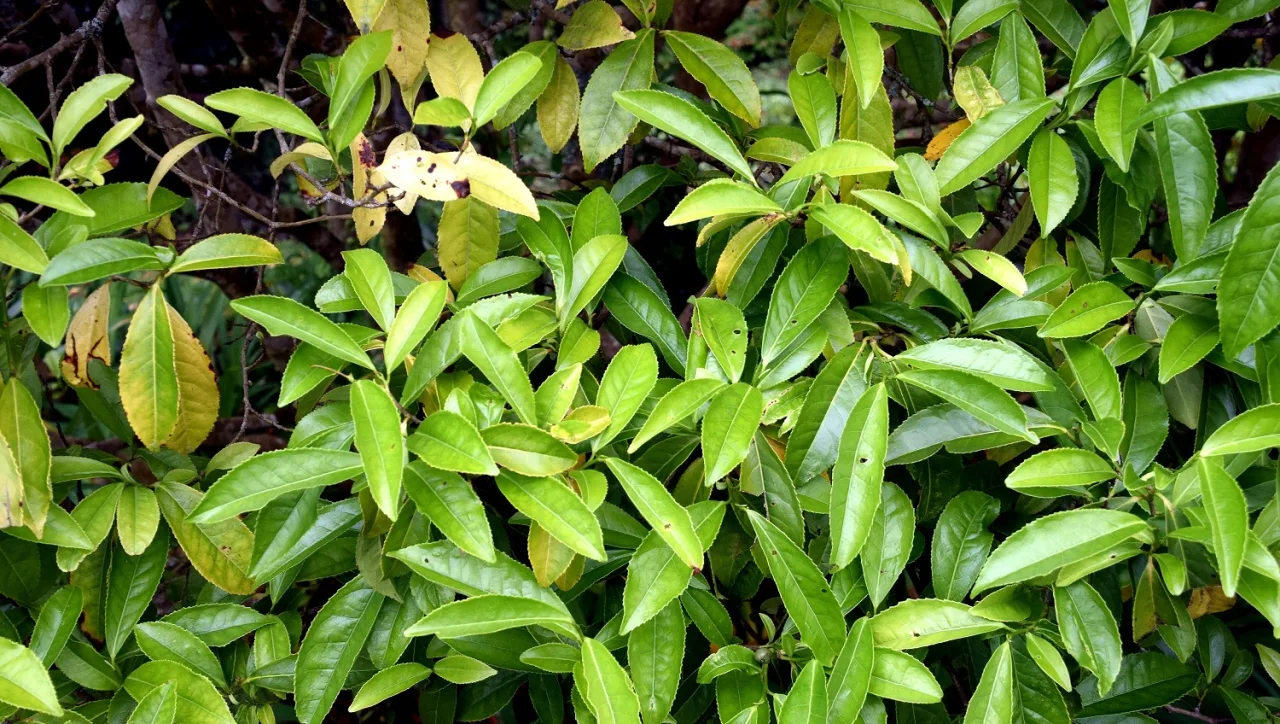
Efforts to establish British-controlled tea cultivation in Assam were already underway before Fortune's 1848 mission. Earlier expeditions had also obtained Chinese tea seeds and cultivation expertise.
Fortune's contribution therefore belonged to an expanding colonial agricultural enterprise rather than representing the creation of Indian tea production from nothing.
His shipments, the expertise of Chinese tea manufacturers, existing Assam tea resources, Indian labor, and decades of plantation development all contributed to the industry's subsequent growth.
By the late nineteenth century, India had become a major supplier of tea to Britain, substantially reducing Britain's reliance on Chinese imports.
But that commercial transformation came with consequences extending well beyond botany, including the exploitation of plantation labor and the transfer of valuable agricultural knowledge within an unequal imperial system.
A Very Expensive Cup of Tea
Robert Fortune's expedition illustrates how botany, chemistry, technology, and commercial ambition became entangled in the nineteenth century.
The East India Company wanted to reproduce China's tea-production capabilities. Obtaining the plants required botanical collecting and long-distance transport. Manufacturing the tea required knowledge of harvesting and processing. Building a viable industry required suitable environments, skilled workers, and sustained agricultural investment.
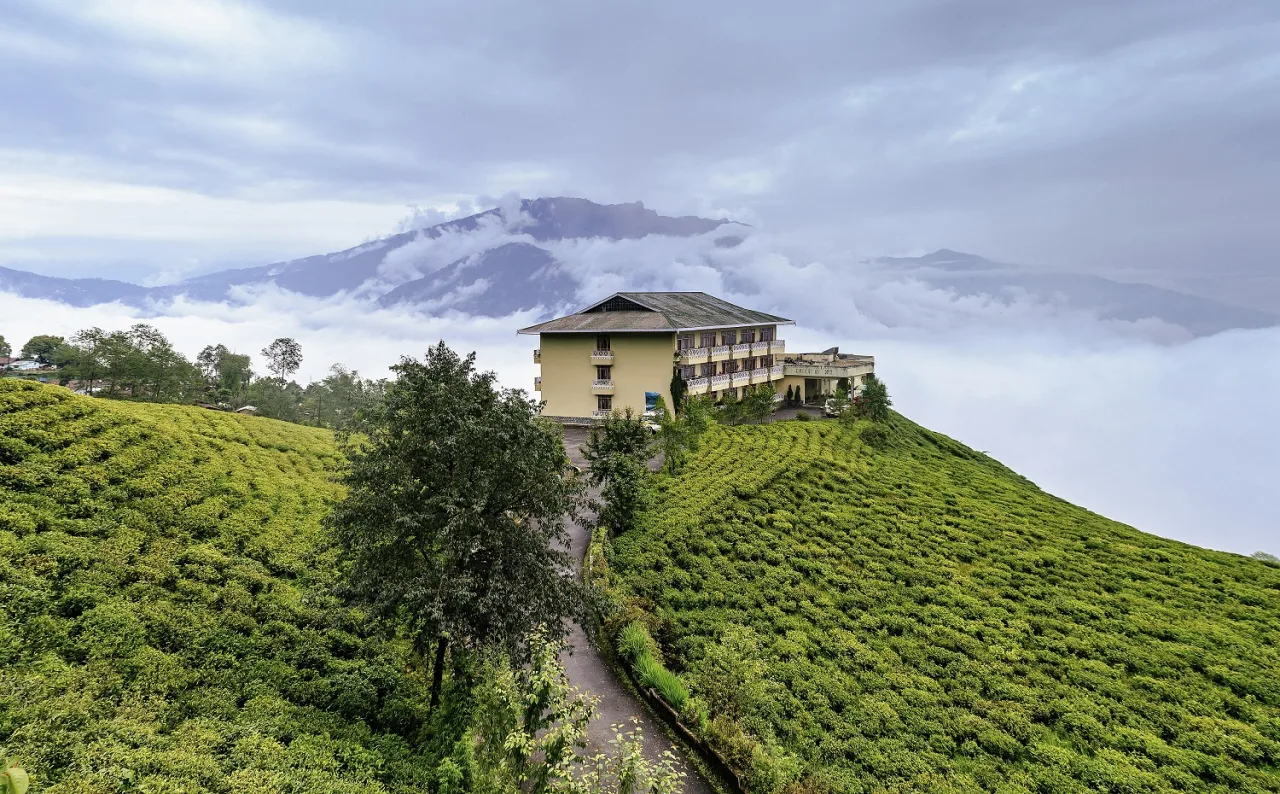
It was never simply a matter of stealing a few seeds and planting them somewhere else.
And while Fortune became famous for his role in the operation, the tea industry he helped expand rested on expertise and resources that existed long before he arrived.
The British Empire eventually gained greater control over its tea supply, but the history behind that achievement is rather more complicated than a triumphant tale of one resourceful botanist.
Next time you make a cup of tea, consider how much botany, chemistry, international commerce, and imperial ambition went into making that everyday beverage possible.
Apparently, a proper British cuppa once required an international operation involving disguises, miniature greenhouses, and an extraordinary quantity of suspicious shrubbery.
Sources
-
The history of tea: From China to India
Butterworth, A. (2015, October 2). The history of tea: From China to India. Royal Botanic Gardens, Kew.
Why this source matters: Traces the development of tea cultivation in India, including the importance of Assam tea, Robert Fortune's expedition, the use of Wardian cases, and the British East India Company's efforts to reduce dependence on Chinese tea.
-
A Journey to the Tea Countries of China; Including Sung-Lo and the Bohea Hills; with a Short Notice of the East India Company's Tea Plantations in the Himalaya Mountains
Fortune, R. (1852). A journey to the tea countries of China; including Sung-Lo and the Bohea Hills; with a short notice of the East India Company's tea plantations in the Himalaya Mountains. John Murray.
Why this source matters: Fortune's firsthand account describes his travels through Chinese tea-producing regions, the collection and transportation of tea plants and seeds, and his investigation of tea manufacturing methods. It provides direct historical evidence of the activities undertaken for the East India Company.
-
Rethinking the Legitimacy of British Botanizing in Late Qing China (1840–1912)
Lu, D. (2026). Rethinking the legitimacy of British botanizing in late Qing China (1840–1912). Journal of British Studies, 65, e9, 1–20.
Why this source matters: Examines the legal and political circumstances of British botanical expeditions in nineteenth-century China, including Robert Fortune's journeys. It establishes that Chinese tea plants and expertise were already being transferred to India before Fortune's mission and explains how botanical collecting operated within unequal international relationships.
-
Tea
Formal Citation: Higdon, J., Drake, V. J., Delage, B., Draijer R., Duchateau G., & Einother, S. (2005; updated 2016). Tea. Micronutrient Information Center, Linus Pauling Institute, Oregon State University.
Why this source matters: Explains how different processing methods produce green, oolong, and black teas from Camellia sinensis. Describes the role of polyphenol oxidase, catechins, theaflavins, and thearubigins in the chemical changes that occur during tea processing.
-
Robert Fortune and the Great Tea Heist
Paterson, S. (n.d.). Robert Fortune and the great tea heist. Royal Society for Asian Affairs.
Why this source matters: Provides an accessible historical account of Fortune's disguise, his efforts to transport living tea plants using Wardian cases, and the importance of skilled Chinese tea producers in establishing production in India.